


By Dr Tariq Jagnarine
A toothache can turn an ordinary day into a miserable one. Eating becomes difficult, sleep is interrupted, and concentrating at school or work feels almost impossible. Yet many of us give our teeth little attention until something hurts.
As Guyana observes Oral Health Month in November, we have an opportunity to change that habit. Caring for our mouths should be part of everyday health, beginning in childhood and continuing throughout life.
Our teeth help us eat, speak, and smile with confidence. Protecting them does not require an expensive bathroom shelf full of products. It begins with consistent brushing, sensible food choices, and timely professional care.
How dental problems begin
A sticky film of bacteria called plaque forms on our teeth. When these bacteria use sugars from food and drinks, they produce acids that damage the tooth’s protective outer layer, called enamel. Repeated damage can eventually create a cavity.
Plaque also irritates the gums. Early gum inflammation may cause redness, swelling, and bleeding. If gum disease progresses, it can damage the tissues and bone supporting the teeth. Many oral diseases are preventable, particularly when problems are identified early.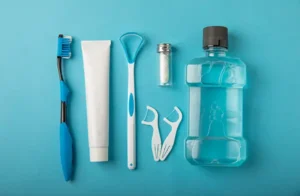
The practical lesson is simple: do not wait for pain before paying attention to your mouth.
Brush twice daily, and make bedtime brushing a priority
Brush for about two minutes, last thing before bed and on one other occasion each day. Use fluoride toothpaste and clean the outer, inner and chewing surfaces of every tooth, including the back teeth.
For most adults, toothpaste containing 1350 to 1500 parts per million fluoride, shown as “ppm” on the label, is suitable. A soft-bristled brush is a sensible choice. Brush gently and thoroughly; forceful scrubbing is unnecessary.
After brushing, spit out the excess toothpaste without immediately rinsing with water. This allows fluoride to remain on the teeth longer. A manual toothbrush can work well when used properly, so an electric brush is not essential.
Think of brushing as a fixed appointment with yourself. Keeping your toothbrush and toothpaste somewhere convenient can help make the routine automatic.
Remember the spaces between your teeth
Clean between your teeth daily using dental floss or appropriately- sized interdental brushes. These reach areas that ordinary brushing can miss. Ask a dental professional to demonstrate the technique, especially if you have tight spaces, bridges or braces.
If your gums repeatedly bleed, arrange an assessment. Continue cleaning gently while seeking advice. Mouthwash may be useful for some people, but it cannot replace brushing and cleaning between the teeth. If you use it, choose a different time from brushing so it does not wash away the fluoride left by toothpaste.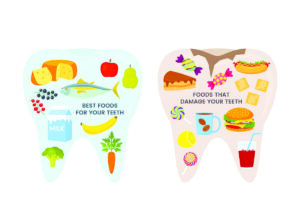
Give your teeth a break from sugar
In many Guyanese households, sweetened tea, soft drinks, juice drinks, biscuits and other sweet snacks are familiar parts of the day. The concern is both how much sugar we consume and how frequently our teeth are exposed to it.
Sipping a sweet drink throughout the morning or repeatedly snacking on sweets creates repeated acid attacks. Honey, syrups and fruit juice also contain free sugars. “Natural” does not automatically mean harmless to teeth.
Start with manageable changes: choose water as your usual drink, gradually reduce sugar added to tea, and keep sweet foods to mealtimes rather than grazing throughout the day. For school lunch bags, consider water, whole fruit and suitable unsweetened foods instead of a sweet drink and several sugary snacks.
These changes are easier to sustain when the whole household participates.
Start early with children
Begin brushing as soon as the first tooth appears. For children under three, use a small smear of fluoride toothpaste containing at least 1000 ppm fluoride. Children aged three to six should use a pea-sized amount of toothpaste containing 1000 to 1500 ppm fluoride.
Parents should brush young children’s teeth and help or supervise until at least age seven, continuing assistance when needed. Encourage children to spit out toothpaste and avoid swallowing it.
Arrange the first dental visit when the first teeth appear, or by the first birthday. Ask about preventive treatments such as fluoride varnish and sealants when appropriate.
Make brushing a shared family activity. A two-minute song or timer can help. Speak positively about dental visits so children learn to see the dental team as people who help them stay healthy.
Diabetes care includes dental care
People living with diabetes have a greater risk of gum disease, particularly when blood glucose is poorly controlled. Diabetes can also contribute to dry mouth, oral thrush, and slower healing. Gum disease, in turn, may make blood glucose harder to manage.
If you have diabetes, tell your dentist and report bleeding gums, persistent bad breath, soreness, loose teeth or dry mouth. Keep taking prescribed treatment and include dental appointments in your wider diabetes care plan.
During diabetes reviews, a useful question is: “When was your last dental check?”
Know when to seek help
Persistent toothache, facial swelling, fever or a suspected dental abscess needs urgent dental attention. An abscess will not disappear on its own and may require drainage, root canal treatment, or removal of the affected tooth.
Difficulty breathing or swallowing, or severe swelling of the mouth or neck, requires immediate emergency care. Do not delay while trying home remedies.
Also arrange an assessment for a mouth ulcer lasting longer than three weeks, an unexplained lump, or a persistent red or white patch. These changes do not necessarily mean cancer, but they should be examined. Avoiding tobacco and reducing alcohol consumption also help protect oral health.
Make prevention a family commitment
Ask your dentist how often you need a check-up. The interval should reflect your oral health and individual risk rather than waiting until symptoms appear. Public dental services are available through health facilities across Guyana; contact your nearest facility to ask about appointments and available care.
This November, choose three actions your family can maintain: brush twice daily with fluoride toothpaste, reduce frequent sugary drinks and snacks, and arrange any overdue dental assessments.
A healthy smile is built through small actions repeated every day. Give your teeth and gums the attention they deserve, before pain demands it.
Discover more from Guyana Times
Subscribe to get the latest posts sent to your email.