


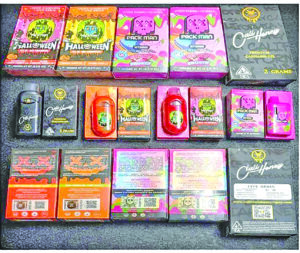
 The Customs Anti-Narcotic Unit (CANU) has issued a public warning after detecting online advertisements promoting cartoon-themed “one-gram” zip-lock packaging commonly associated with the packaging and distribution of illicit narcotics. In a statement, CANU advised that such packaging is frequently used in the sale and distribution of illegal drugs and warned that its sale, possession or use in connection with narcotics constitutes an offence under the laws of Guyana. The agency noted that the advertisements appear on online platforms and target individuals seeking small-scale packaging typically linked to narcotics trafficking.
CANU reminded the public that persons found selling, possessing or using such packaging for illicit purposes may be subject to criminal liability, including arrest and prosecution. The anti-narcotics agency urged members of the public to refrain from purchasing or distributing the items and to report any suspicious activity or advertisements to the relevant authorities. CANU reiterated its commitment to monitoring online activity linked to drug trafficking and enforcing the country’s narcotics laws. This comes on the heels of a warning from CANU confirming the presence of the illicit drug MDMA within Guyana, following a recent seizure in Lethem. CANU, just days ago, said the latest warning stems from an intelligence-led operation conducted at Tabatinga, Lethem, during which officers discovered a quantity of pills suspected to be ecstasy. On-site field testing produced a positive indication for amphetamine-type stimulants. Subsequent preliminary testing confirmed the presence of 3,4-Methylenedioxymethamphetamine (MDMA), a Schedule I controlled substance under the Narcotic Drugs and Psychotropic Substances (Control) Act, Cap. 10:10. In its latest early warning alert, CANU noted that MDMA tablets have now been confirmed to be circulating within commercial entertainment and nightlife zones. The distribution pattern, the agency said, is consistent with youth-targeted micro-trafficking typically associated with parties and nightlife activities. CANU further highlighted that amphetamine-type stimulants remain relatively rare in Guyana, making the detection significant and a cause for heightened concern. The agency warned that MDMA poses serious public health risks due to inconsistent dosing and the potential presence of unknown adulterants. According to CANU, pills may contain varying concentrations of active substances, increasing the risk of overdose, while some may be mixed with other stimulants such as caffeine or methamphetamine. The anti-narcotics agency cautioned that increased demand could emerge due to nightlife activity or imported supply streams and urged the public to remain vigilant. CANU said investigations remain ongoing as it continues to monitor emerging drug trends and enforce Guyana’s narcotics laws.
Discover more from Guyana Times
Subscribe to get the latest posts sent to your email.