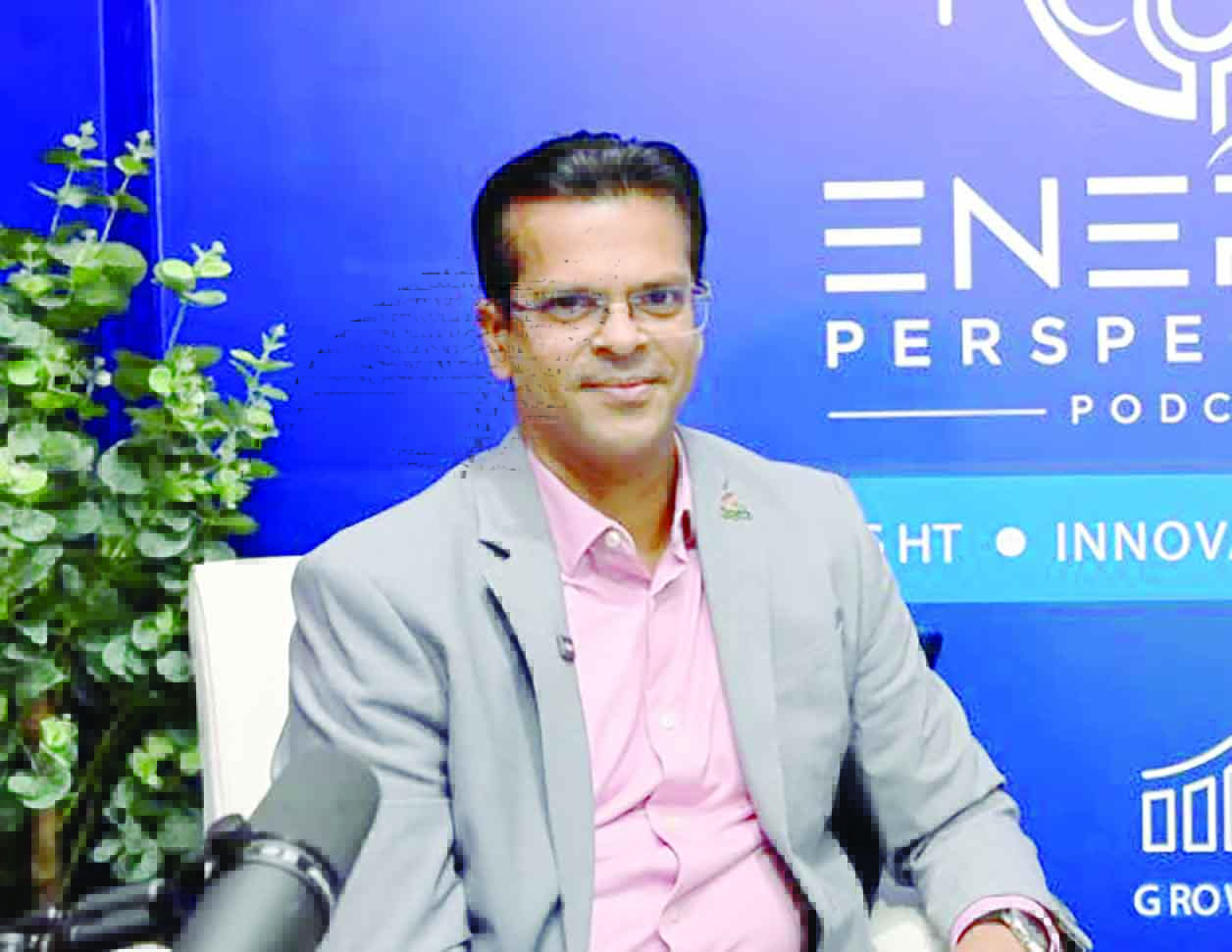
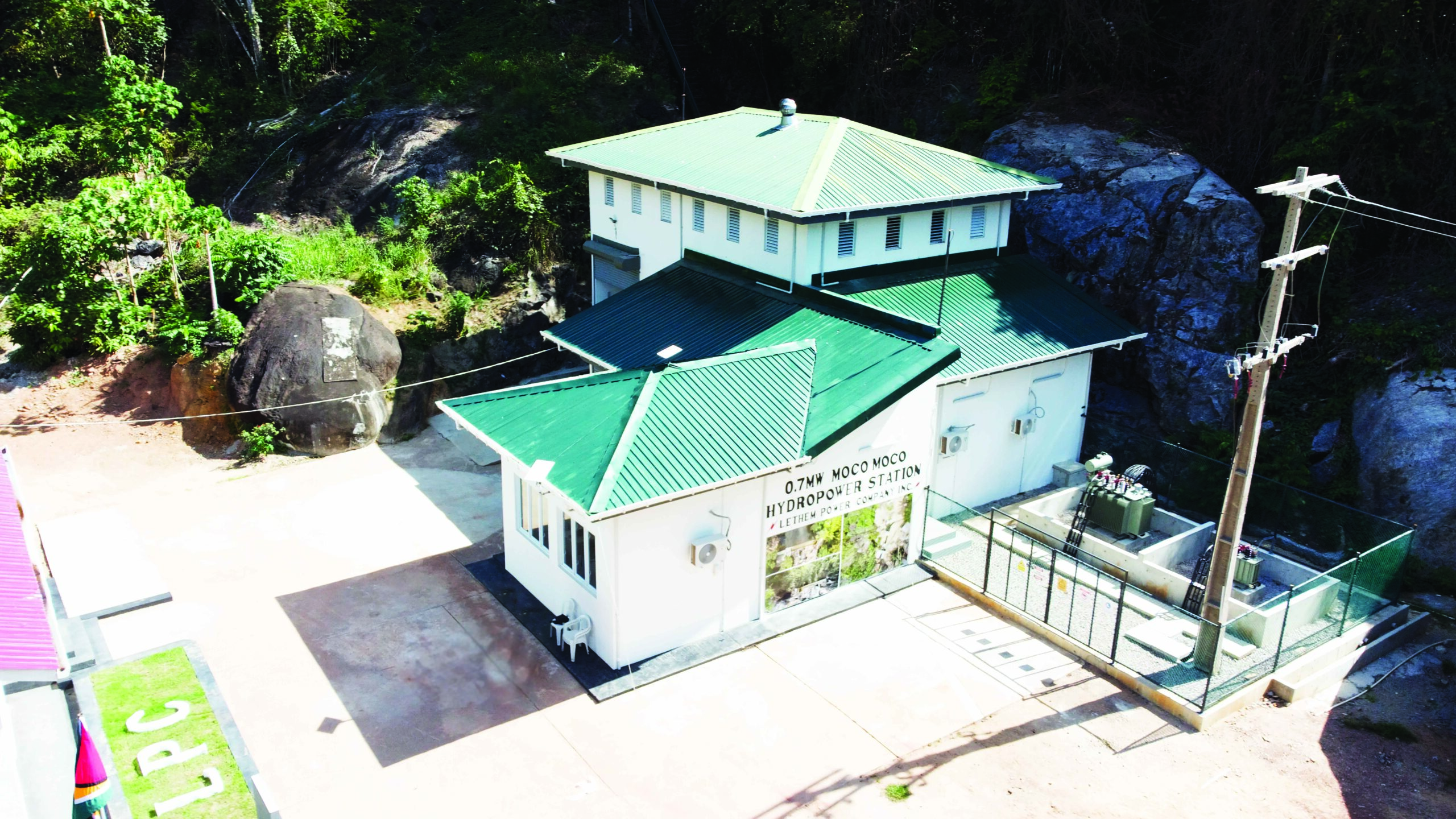
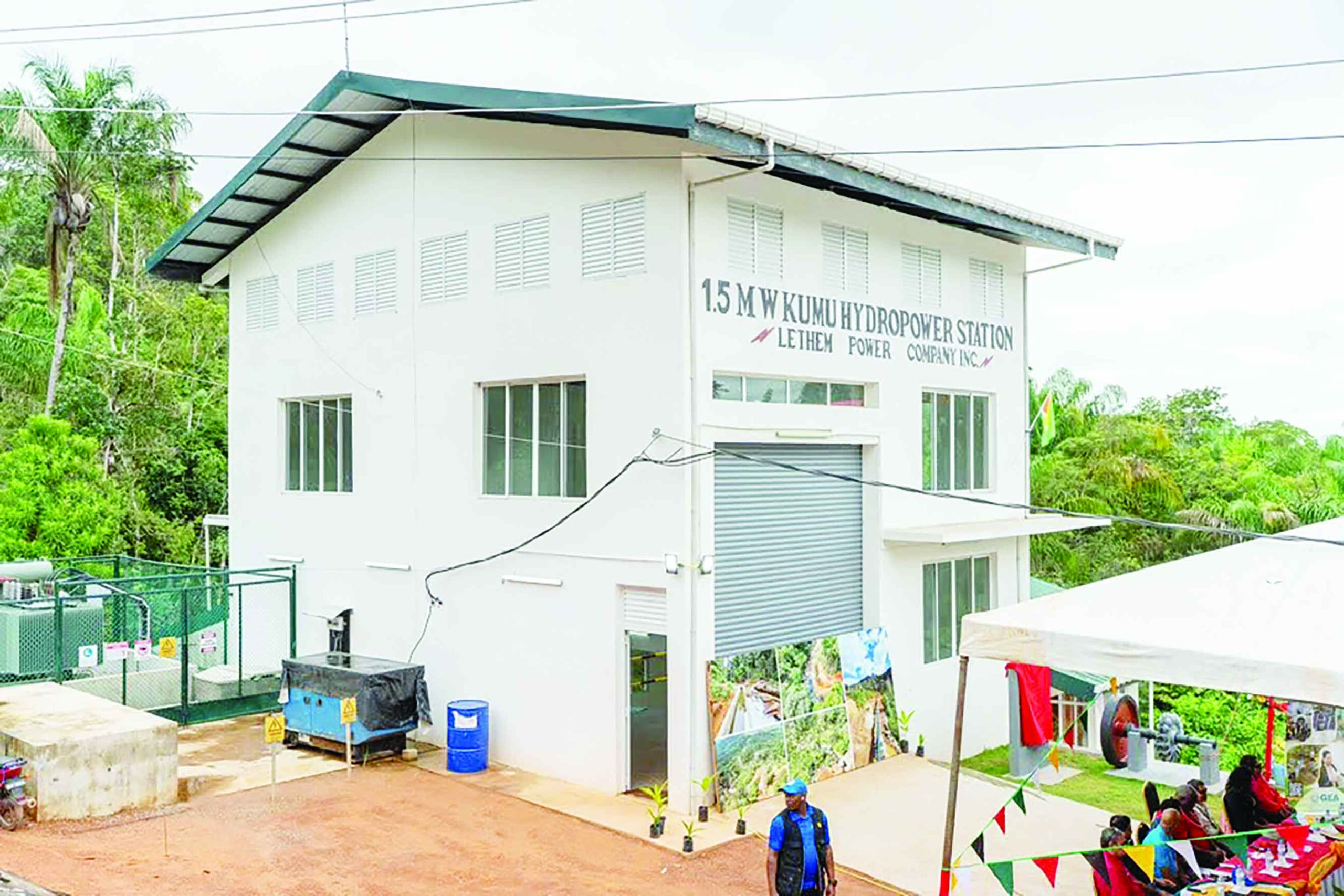
The Guyana Government is already seeing the benefits of investing in renewable energy projects such as the two mini-hydropower plants in Region Nine (Upper Takutu-Upper Essequibo), which has reduced the use of fossil fuel by more than 20,000 drums for electricity generation. Chief Executive Officer (CEO) of the Guyana Energy Agency (GEA), Dr Mahendar Sharma, made this announcement during the latest edition of the Energy Perspectives Podcast, titled “Powering Guyana’s Low-Carbon Future”. “Lethem, for example, now benefits from two hydropower plants, totalling 2.2 megawatts (MW)… and while mini-hydro is still expensive, the savings are significant. You are offsetting and displacing diesel use… More than 20,000 drums of diesel have already been avoided based on what is being produced from the hydropower and because you don’t have to generate that energy from diesel,” Sharma stated. In December 2024, the 0.7 MW Moco Moco Hydropower Plant was commissioned with the capacity to generate approximately 4,565 megawatt-hour (MW/h) electricity annually. Months later in July 2025, the 1.5 MW Kumu Hydropower Station was operationalised to bring approximately 9,700 MW/h of clean energy annually.
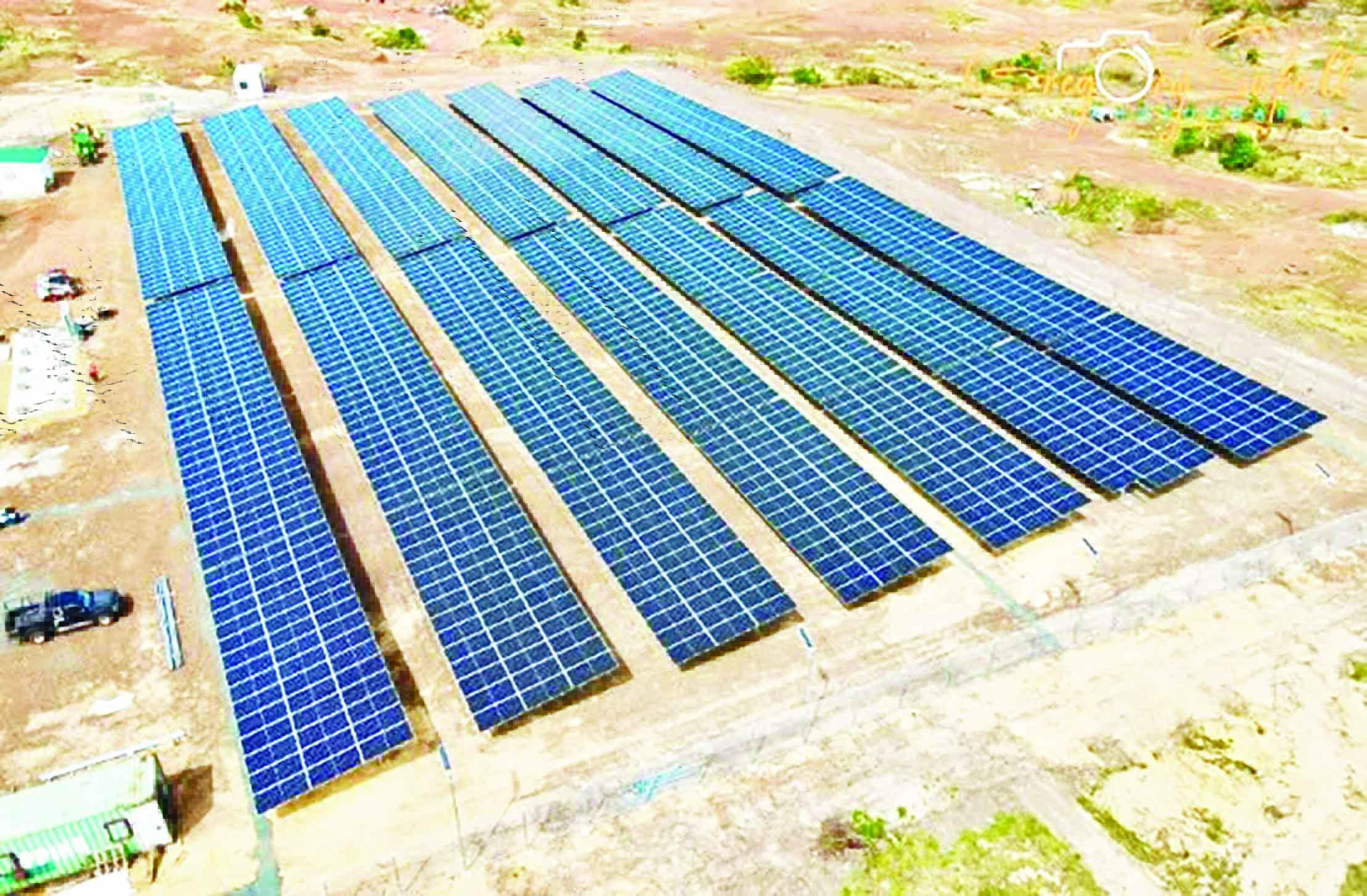
These two mini-hydropower facilities were rehabilitated by Sri Lankan firm – Vidullanka PLC, under a US$12.85 million programme funded by the Islamic Development Bank (IsDB). In addition to hydropower, the $472 million 1.0 MW Lethem Solar Farm, which was commissioned in August 2022, is also supporting the generation of clean energy across Region Nine. According to the GEA Head, “It is the only site in Guyana that benefits from this hybridised-type of energy supply – hydro, solar and diesel – powering the people of Lethem… The solar is there to provide support. In fact, the two hydros have been supplying most of the energy in Lethem. More than 60 per cent of the energy comes from renewable sources for the town of Lethem.”
Only back in February, Sharma had disclosed that the two mini-hydro plants in Region Nine were already reducing the country’s carbon footprint and saved 17,000 plus drums of diesel at the time.
He said the cost of that the fuel saved then had amounted to some 27 per cent of the capital investment on the two mini-hydro projects. Sharma had outlined the importance of hydropower to Guyana’s energy mix, noting that it brings a greater level of predictability and availability when compared to other renewable sources. “So, hydropower is going to be an important part of our energy matrix and we have to scale these up,” he had stated.
In fact, the GEA Head revealed that efforts were underway to explore the setting up of more mini-hydro projects across the country especially in hinterland areas where the demand is growing. During recent podcast, Sharma pointed out that the much more work has been done across Guyana to advance renewable energy sources, especially solar. In fact, he noted by the end of this year, approximately 56 solar mini-grids will be established in hinterland communities across the country. Dr Sharma said the mini-grids will provide electricity to public and community buildings in hinterland areas, utilising solar photovoltaic (PV) technology supported by battery storage and small distribution networks. “This year, we’ll have about 56 solar mini-grids spread across the hinterland communities. These mini-grids are usually drum-mounted solar PV panels with a small room for batteries and a small distribution network. We’re taking power to public and community buildings,” he explained. The GEA Head noted that the mini-grid programme complements another initiative launched in 2023, which saw the distribution of more than 37,000 small solar home systems to residents in hinterland communities. “Previously, it was a solar panel with a charger that powered some lights and a fan and charged your mobile devices. But we’re going beyond that with the policies that GPL (Guyana Power and Light Inc.) has implemented, including the net billing policy. You and I can benefit from solar technology too,” he said. Dr Sharma said residents now have the opportunity to invest in solar energy systems for their homes, adding that the GEA has launched an awareness campaign to educate people on how they can incorporate solar technology into their households. Moreover, he added that Guyana’s renewable energy capacity is set to receive a major boost by the end of the year, with solar PV installations expected to bring the country’s total solar capacity close to 50 MW as Government and Private Sector investments continue to diversify the national energy mix. Dr Sharma also highlighted other major energy projects being advanced, including the Gas-to-Energy (GtE) Project, which he said will allow Guyana to utilise its indigenous natural gas resources to generate electricity and reduce the need for fuel imports. “And that gas will displace the need for imports and will utilise an indigenous resource now, gas, an indigenous resource, to generate power,” he said. He noted that the GtE Project is not the only initiative being pursued, with the Government already announcing additional phases of the project to further expand generation capacity. Beyond natural gas and solar development, Dr Sharma said Guyana is also advancing other renewable energy projects, including the Amaila Falls Hydroelectric Project, which is expected to add 165 MW of hydropower capacity to the national grid. With investments across solar, hydropower, and natural gas, the GEA CEO said Guyana is moving towards a more diversified and sustainable energy system aimed at improving reliability while supporting the country’s low-carbon development goals.
Discover more from Guyana Times
Subscribe to get the latest posts sent to your email.