


By Ravi Dev
Alcoholism: The Indentured Indians brought to labour on the sugar plantations of Br Guiana were overwhelmingly drawn from the rural peasantry whose lives were centred around agriculture. Even the higher castes like Brahmans and Kshatriyas or middling castes like oil pressers (Teli), cowherders (Ahirs) or lower castes like Chamars were involved in agriculture as workers for landowners. These rural folks were exposed to alcohol, but before the advent of the Britishers this was generally mildly fermented products like toddy from the palm tree which has less alcoholic content than wine. Interestingly, the other traditional drink Mahua, which has a higher alcohol content was banned by the British because they could not tax it.
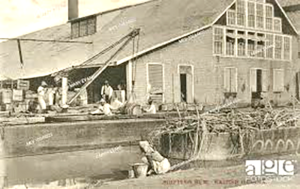
On the plantations, however, the Indentureds were deliberately exposed to rum, which is a distilled product with at least over 40% alcohol content. The planters allowed, first the Portuguese and then the Chinese who had completed their indentures to establish “rum shops” near the pay offices or on the street to the logies so that the workers would “drop in” and imbibe before reaching home. The worker who “drank out” his money has a great incentive to turn out on the order-line for work the following Monday. Alcoholism became rampant among the Indentureds and the problem has persisted into the present among their descendants.

Around the sugar factory of Uitvlugt Estate, where I am from, up to the 1950s when the logies were dismantled to create the “extra-nuclear housing schemes, there were at least four Chinese rum shops – Chee a Tow; Shinga, Fred Ying and Florrie. For some reasons the Portuguese had already moved out of the village.
Suicide: Suicide was a very rare phenomenon in rural Uttar Pradesh and Bihar from where the Indian Indentureds originated – less than 6 per 100,000. But in Guyana – and all the other countries to where they were shipped, the rate jumped to ten times that number and has remained stuck at a higher rate than other groups in the societies. It has been theorised that the breakdown in the traditional extended family due to the logic of logie housing created a feeling of anomie in many immigrants since their traditional support system was removed. Additionally, the pressures of the regimented conditions in the fields could find no outlet since any complaint was called “talking back” and could be punished.
Domestic Violence: The imbalance in the number of women to men shipped in throughout the indentureship period – never more than 40% — led to the phenomenon of “coolie wife murders” throughout the indentureship period. The women were suspected of infidelity and the cutlass was used to settle matters. On one hand, the women had achieved more freedom in their choice of partners, but on the other hand, the plantation helped reconstitute the patriarchal premises of village India. For instance, men were made responsible for their wives turning out to work. Domestic violence has also remained a problem into the present.
Discover more from Guyana Times
Subscribe to get the latest posts sent to your email.