



As Guyana’s housing sector continues to expand, industry stakeholders are being urged to prioritise energy efficiency and sustainable construction practices as a way to lower household energy costs and strengthen climate resilience. The call was made during a seminar hosted by the Central Housing and Planning Authority (CHPA) as part of the ongoing International Building Expo 2026 at the National Stadium in Providence. The session focused on strategies for transforming the country’s housing stock into more energy-efficient homes, highlighting the long-term economic and environmental benefits of sustainable building. In his address at the seminar on Saturday, Housing Minister, Collin Croal noted that energy efficiency must form part of the wider conversation on construction. He stated that housing development must go beyond the physical structure of a building.
“When you are building your home, you have to look at energy efficiency,” Croal said. He highlighted the importance of considering construction materials, design, regulations and other factors that influence the sustainability of homes.
The Housing Minister explained that with Guyana’s ongoing housing drive and thousands of allocations being made, there is an increasing need for homeowners, developers and businesses to adopt practices that improve efficiency.
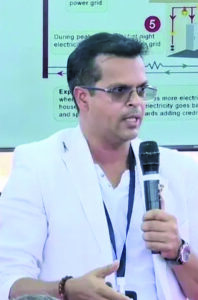
Additionally, Chief Executive Officer (CEO) of the Guyana Energy Agency (GEA), Dr Mahendra Sharma, emphasised that while Guyana’s development will see increased access to electricity and reduced energy costs, households and businesses must also consider how they consume energy. He explained that energy efficiency begins with simple changes in behaviour, such as switching off unused lights, using smart devices, installing sensors and choosing energy-efficient appliances. He also highlighted the importance of building design, including proper insulation, shading, roof materials and ventilation, to reduce the amount of energy needed to cool homes and buildings. Dr Sharma pointed out that air conditioning can account for a significant portion of electricity use. He encouraged households and businesses to make smarter choices. He said setting air conditioning units at extremely low temperatures increases energy consumption.
Dr Sharma explained that every degree below the recommended temperature can result in higher energy use. The CEO of GEA also encouraged greater adoption of grid-connected solar systems. He explained that the technology allows households and businesses to generate their own electricity while remaining connected to the national grid.
Using a five-kilowatt (kW) solar system as an example, Dr Sharma said such an investment could significantly reduce electricity costs over time, while also contributing to environmental protection. He shared his own experience after investing in solar technology, explaining that his monthly electricity bill was reduced significantly after increasing his solar capacity and adding battery storage.
“My electricity bill has moved from above $80,000 a month to $14,000 a month,” Dr Sharma said. He also noted that the Government has introduced incentives to encourage investment in energy-efficient technologies, including the removal of taxes on solar panels, batteries and inverters. Businesses investing in energy-saving technologies can also benefit from incentives, including a 50 per cent write-down allowance, he explained. The discussions formed part of a wider two-day seminar aimed at bringing together Government agencies, businesses and industry stakeholders to explore modern construction practices, smart technologies and sustainable solutions for Guyana’s growing housing sector.
Discover more from Guyana Times
Subscribe to get the latest posts sent to your email.