

Nine months ago, growing dragon fruit was an unfamiliar idea for many farmers along the Linden–Soesdyke Highway. Today, rows of climbing cactus plants are rewarding their patience with spectacular white blossoms and fruits – the first visible sign that this new agricultural opportunity is succeeding. “This is my first time planting dragon fruit, and I am surprised by how quickly it has reached production. The commercial potential is limitless. I am already expanding my farm, and, with Mr Van Son’s ongoing guidance, I have learnt how to identify and manage diseases. I was willing to learn because I saw an opportunity to create something better for my family,” said William Adams. For the farmers participating in the Food and Agriculture Organisation of the United Nations (FAO) dragon fruit pilot initiative, these first blooms represent far more than fruit. They symbolise perseverance and teamwork for a more resilient future. The initiative was launched under the Sustainable Land Development and Management (SLDM) Project, implemented by the Guyana Lands and Surveys Commission (GLSC) with support from the National Agricultural Research and Extension Institute (NAREI), and funded by the Guyana REDD+ Investment Fund (GRIF). 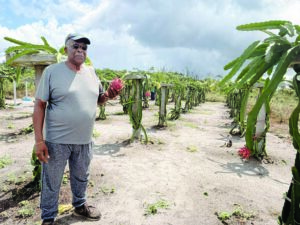
Farmers received dragon fruit plants, fertiliser, trellises, practical training and continued technical support to establish commercial orchards. But success depended on months of dedication- including preparing the land, training the plants to climb, managing irrigation and patiently waiting for the first signs of flowering. “I was so excited when my plants reached the flowering stage. Some days, I’d walk through the field just to see if anything had changed,” said Wanda Lakna with a smile. “Watching the plants grow little by little kept me motivated. I’m learning that dragon fruit performs better in open fields than under shade, so I’m clearing more land and expanding,” added her sister, Naphnis Lakna. Known for their large, fragrant blooms that open for just a single night, dragon fruit flowers signal that fruit production is close. For the farmers, seeing those blossoms for the first time was both emotional and reassuring. “When I saw the first flower, I knew this could become a successful business. I used the guidebook, followed the expert advice, and I’m now producing and in the process of expanding my farm,” said Muhammed Haroon. This month, FAO international dragon fruit expert Nguyen Van Son returned to Guyana to continue mentoring farmers. During field visits, he has been helping them to identify diseases, improve plant health and apply practical techniques to support healthy fruit production.
Expand to St Cuthbert’s Mission
Encouraged by the pilot’s early success, FAO has now expanded the initiative to St Cuthbert’s Mission, where a new startup farm is giving Community Service Officers hands-on experience in dragon fruit cultivation while creating opportunities for future livelihood development. For FAO, the success of the pilot extends beyond the flowering plants. It is about demonstrating how innovation, practical training and sustained technical support can empower farmers to embrace new opportunities. It is also building resilient farming systems that are better prepared for changing markets and climates. “It is encouraging to see the enthusiasm and progress of these farmers. Dragon fruit offers much more than a new crop, it creates opportunities to diversify incomes, strengthen resilience and improve livelihoods. Sustainability will depend on farmers, institutions and partners continuing to work together,” said Dr Gillian Smith, FAO Representative in Guyana.
For these farmers, the first flowers are more than the beginning of a harvest. They represent the confidence to embrace something new, the value of knowledge shared across borders, and the promise of new opportunities for their families. What began as an unfamiliar crop is now blossoming into a brighter` future—one flower at a time.
(Feature written and submitted by Food and Agriculture Organisation of the United Nations – Guyana Representation)
Discover more from Guyana Times
Subscribe to get the latest posts sent to your email.