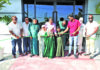


The graduation of 84 persons living with disabilities from a series of vocational training programmes marks a meaningful step toward a more inclusive and equitable society. Such initiatives, facilitated through collaboration between the Office of the First Lady and the Board of Industrial Training, underscore the importance of expanding access to practical skills and economic opportunities for a segment of the population that has historically faced systemic barriers to full participation in national life.
For far too long, disability has been viewed through a narrow lens of limitation rather than potential. That perspective has contributed to the marginalisation of capable individuals who, when given the appropriate tools and support, demonstrate resilience, creativity, and productivity equal to any other group. The completion of training in areas such as arts and craft, floral arrangement, pastry making, small electronic repairs, and garment construction provides tangible evidence that opportunity, rather than charity, remains the most effective pathway to empowerment.
Independent living stands at the core of dignity and self-determination. The ability to earn an income, manage personal affairs, and contribute meaningfully to community life represents not merely an economic milestone but a fundamental human right. Skills-based training plays a critical role in bridging the gap between potential and opportunity. By equipping persons living with disabilities with marketable competencies, such programmes help dismantle long-standing stereotypes and reduce dependency on social assistance systems.
However, sustainable inclusion requires a societal commitment that extends beyond certification ceremonies. Access to employment opportunities, supportive workplace environments, and the removal of physical and social barriers remain essential components of a truly inclusive framework. Employers must be encouraged, and where necessary incentivised, to recognise the value of a diverse workforce. Public and private sector institutions alike must move beyond tokenism and embrace genuine integration, ensuring that skills acquired translate into meaningful employment.
Equally important is the need for accessible infrastructure and supportive services. Independent living is closely tied to mobility, communication, and access to public spaces. Without adequate transportation systems, adaptive technologies, and inclusive design standards, the promise of independence risks remaining out of reach for many. National development strategies must therefore incorporate disability inclusion as a central pillar, rather than a peripheral consideration.
The success of the recent training programmes also highlights the importance of partnerships in advancing social progress. Collaboration between governmental bodies and training institutions demonstrates what can be achieved when resources and expertise are aligned toward a common goal. Continued investment in such partnerships will be necessary to expand the reach of similar initiatives, ensuring that more individuals benefit from opportunities for skills development and economic participation.
At the same time, societal attitudes must continue to evolve as stigma and discrimination often present more significant obstacles than physical limitations. Public education campaigns, community engagement, and representation of persons living with disabilities in leadership and decision-making roles can help shift perceptions and foster a culture of respect and inclusion. Recognition of ability, rather than focus on disability, must guide national discourse.
The graduation ceremony at the Empower Guyana Centre serves as more than a symbolic achievement. It represents a call to action for policymakers, employers, and society at large to build on this progress. Expanding access to training programmes, strengthening support systems, and ensuring equitable access to employment opportunities will determine whether such milestones translate into lasting change.
Ultimately, the pursuit of independent living for persons living with disabilities aligns with broader national goals of equity, productivity, and social cohesion. Empowered individuals contribute to the economic and social fabric of the country.
The achievements of the 84 graduates stand as evidence to what can be accomplished when opportunity meets determination.
Discover more from Guyana Times
Subscribe to get the latest posts sent to your email.