


In a significant step toward strengthening the nation’s engineering capacity, the Guyana Power and Light Inc (GPL) and Schweitzer Engineering Laboratories (SEL) announced on Thursday an investment in university-level engineering education aimed at preparing the next generation of electrical engineers for the rapidly evolving demands of the industry.
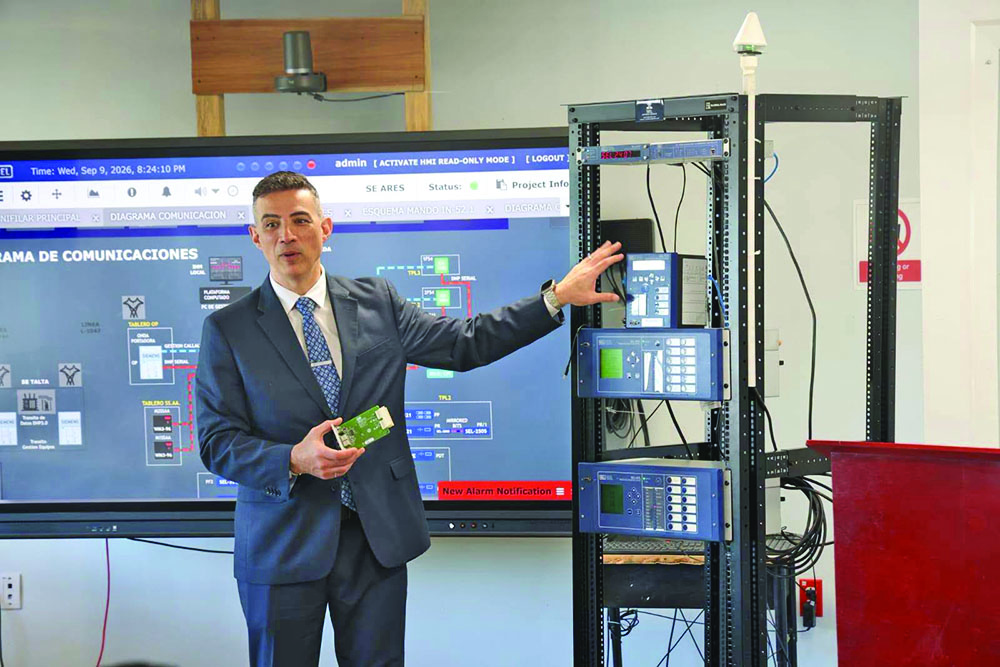
As part of this initiative, SEL has donated modern protection and control equipment used within electrical power systems to support practical academic training at the University of Guyana’s Faculty of Engineering and Technology.
Importantly, the equipment provided to the university represents the same type of field devices that will be used to protect and control Guyana’s electrical power system as the country continues to modernise its electricity infrastructure.
The initiative is designed to bridge the gap between academic learning and industry requirements by exposing students to modern technologies and practices that are increasingly being deployed across the electrical and energy sectors.
As utilities worldwide continue to modernise their networks through automation, digital protection systems, smart grid technologies, renewable energy integration, and advanced monitoring systems, the need for graduates with practical knowledge of these technologies has never been greater.
Under the initiative, electrical engineering students will receive hands-on exposure to SEL equipment, providing them with practical experience in technologies they are likely to encounter in their professional careers.
The training, under the guidance of Dr Klass, is intended to complement classroom instruction and better prepare students for the demands of the modern power and energy sector.
This investment will provide students with enhanced learning opportunities, access to industry-relevant technologies, and greater exposure to real-world engineering applications. By incorporating these technologies into the educational experience, graduates will be better equipped to transition into the workforce and contribute effectively from the start of their careers.
“Today’s engineering graduates will be responsible for operating and maintaining some of the most advanced technologies being introduced into our power systems and industrial facilities,” Deputy Chief Executive Officer – Strategic Operations, Bharat Harjohn, stated while adding, “By investing in their education now, we are ensuring that they possess the knowledge, skills, and practical understanding necessary to meet the challenges of tomorrow.”
He further stated, “The electric utility industry is currently experiencing unprecedented technological transformation. The expansion of renewable energy resources, increasing system automation, the adoption of smart grid solutions, and the digitisation of utility operations require engineers who are familiar with these technologies before entering the workplace.”
“Through this initiative, students will gain exposure to modern engineering concepts, industry best practices, and the technologies that are shaping the future of the power sector. This approach will reduce the learning curve for new graduates, improve workforce readiness, and enhance the industry’s ability to recruit and retain highly skilled professionals.”
The collaboration also provides an opportunity for closer engagement between academia and industry, allowing students to gain a better understanding of the technologies, systems, and professional practices they will encounter in their careers. The participation of GPL engineers and technicians further strengthens the practical dimension of the initiative by connecting classroom learning with the operational realities of the electricity sector.
Beyond benefiting students and employers, the initiative will contribute to national development by helping to build a highly competent engineering workforce capable of supporting critical infrastructure, energy security, technological innovation, and sustainable economic growth.
As Guyana’s energy sector continues to expand and modernise, partnerships between educational institutions, utilities, technology providers, and other industry stakeholders will remain critical to ensuring that the country’s human resources are equipped to support its changing energy landscape.
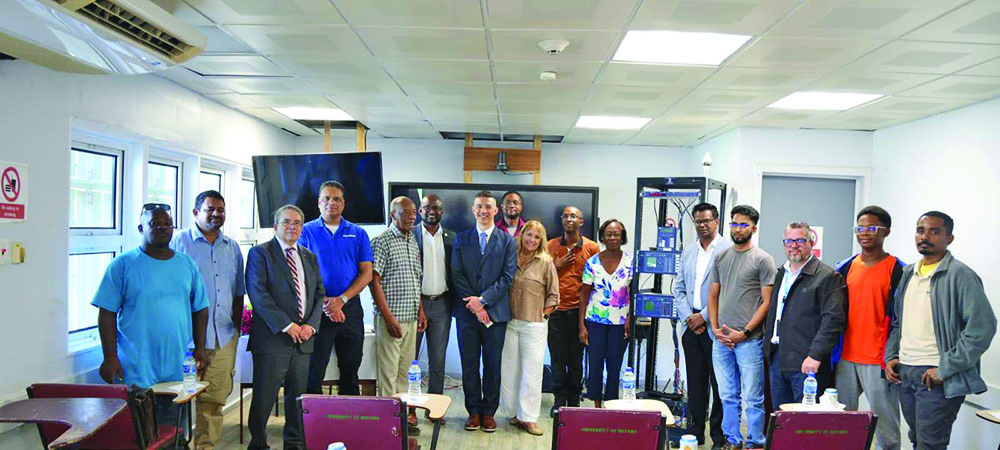
The event was attended by representatives of SEL, ExxonMobil, the University of Guyana, industry stakeholders, GPL engineers and technicians, and students.
Discover more from Guyana Times
Subscribe to get the latest posts sent to your email.