


By Dr Tariq Jagnarine
A patient may come to the clinic after years of recurring headaches, carrying a packet of painkillers and describing days lost from work or family life. They may have been told the problem is stress or that they simply need more rest. Sometimes, after listening to the pattern of symptoms, the diagnosis is migraine.
Migraine is a neurological condition that causes recurrent attacks. Good care means recognising the condition, treating attacks effectively, and deciding whether preventive treatment is needed.
Risk Factors and Triggers
Migraine can affect anyone, but it is more common in women and in people with a close family member who has it. Hormonal changes may influence attacks, particularly around menstruation.
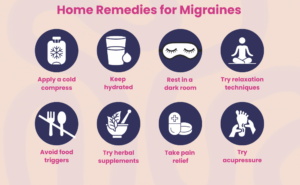
Risk factors increase a person’s likelihood of having migraine. Triggers are circumstances that may bring on an attack. Missed meals, irregular sleep, stress, dehydration, excess caffeine, bright light, and hormonal changes are possible triggers. They differ between patients. A headache diary helps identify an individual pattern without imposing unnecessary restrictions on everyone with migraine.
Signs and Symptoms
Migraine often causes moderate to severe throbbing pain that worsens with movement. It may affect one side of the head, although it does not have to. Nausea, vomiting, and sensitivity to light or sound are common. Some patients also feel tired or have difficulty concentrating before or after the headache.
An aura occurs in some patients. It may involve flashing lights, zigzag lines, tingling, or difficulty speaking. Many people with migraine never have an aura. New or unfamiliar neurological symptoms require assessment rather than an assumption that they are part of migraine.
How Is Migraine Diagnosed?
Migraine is primarily a clinical diagnosis, based on the history and examination. The International Classification of Headache Disorders, third edition (ICHD-3) provides formal criteria. For migraine without aura in adults, the criteria include:
1. At least five attacks, each lasting 4 to 72 hours when untreated or unsuccessfully treated.
2. Headache with at least two of these features: one-sided location, pulsating quality, moderate or severe intensity, or worsening with routine physical activity.
3. During the headache, at least one of the following: nausea or vomiting, or both sensitivity to light and sensitivity to sound.
4. Symptoms that are not better explained by another headache diagnosis.
The requirement for five attacks does not mean someone with fewer attacks should be turned away or left untreated. Their clinician may consider probable migraine while continuing to assess the pattern and exclude other causes. Children can also have shorter attacks than adults.
Migraine with aura has separate criteria. It generally involves at least two attacks with fully reversible aura symptoms, such as visual, sensory, or speech changes. The way symptoms develop over minutes and resolve helps distinguish a typical aura from other neurological conditions. A first episode, a sudden onset, or an unusual symptom needs careful assessment.
In clinic, I also ask how often headaches occur, how many days of work or normal activity are affected, and how frequently pain medicine is taken. A diary can provide answers that are difficult to recall during one consultation. A brain scan is not routinely needed simply to confirm a typical migraine, but a changed headache pattern or concerning examination findings may warrant further investigation.
Medicines to Treat an Attack
Paracetamol or ibuprofen may help when taken early and when suitable for the patient. For a more disabling attack, a clinician may prescribe sumatriptan, a migraine-specific medicine. Metoclopramide can help when nausea or vomiting is prominent. These medicines appear in Guyana’s published Essential Medicines List, although stock at an individual facility may vary.
Treatment must account for other medical conditions. Ibuprofen may be unsuitable for some people with kidney disease or stomach ulcers. Sumatriptan requires assessment in patients with cardiovascular disease or uncontrolled hypertension. Taking painkillers too frequently can cause medication-overuse headache and make the overall problem worse.
Medicines to Prevent Migraine
Preventive medicines are taken regularly to reduce the frequency and severity of future attacks. They do not stop a headache immediately. Prevention is considered when migraine is frequent, disabling, or remains disruptive despite appropriate treatment for individual attacks.
Propranolol is a preventive option listed under specialist use in Guyana’s published Essential Medicines List. It may be unsuitable for someone with asthma or a slow heart rate. Amitriptyline and topiramate are other preventive options recognised in international guidance. The choice depends on the patient’s other conditions, possible adverse effects, pregnancy plans, and access to the medicine. Topiramate must not be used for migraine prevention during pregnancy and requires particular care for anyone who could become pregnant. The Guyana list reviewed for this article specifically identifies propranolol for migraine prevention; it does not establish current local availability of amitriptyline or topiramate.
A clinician should review whether preventive treatment is reducing headache days and improving daily functioning. If a medicine does not help or causes troublesome effects, the plan can be adjusted. The objective is fewer disrupted days, not simply a lower pain score during the next attack.
Practical Prevention Tips
Regular sleep and meal times, adequate hydration, physical activity, and attention to caffeine use may help reduce attacks. Record headaches and possible triggers so that prevention is based on your own pattern. These measures support treatment, but someone with frequent or disabling migraine may also need preventive medicine.
When a Headache Needs Urgent Assessment
Seek emergency care for a headache that begins suddenly and is extremely painful, or one accompanied by weakness, confusion, a seizure, or new problems with speech or vision. A headache during pregnancy or soon after childbirth needs prompt assessment. An apparent migraine lasting more than 72 hours, an aura lasting longer than an hour, or a clear change from a person’s usual pattern should also be reviewed.
What I Observe in Clinic
What concerns me is how often patients have adjusted their lives around migraine before seeking help. They miss work, avoid commitments in case another attack comes, and repeatedly take painkillers without a diagnosis or a prevention plan.
In clinic, I ask how many headache days a patient has each month and what those days have cost them. The diagnostic criteria help us recognise migraine, but the effect on the person’s life guides what we do next. If attacks keep returning, the answer may be a preventive plan rather than another tablet for the next headache.
Migraine deserves proper assessment. With an accurate diagnosis and a plan for both acute treatment and prevention, patients can regain days that headaches have taken away.
Discover more from Guyana Times
Subscribe to get the latest posts sent to your email.