


Many people visit the clinic feeling perfectly healthy, only to discover through a routine blood test that their cholesterol is dangerously high. Others learn about their cholesterol problem only after experiencing a heart attack or stroke.
High cholesterol, medically known as hypercholesterolaemia, is one of the most important preventable risk factors for cardiovascular disease. It develops silently, often over many years, gradually damaging blood vessels without producing noticeable symptoms.
The good news is that high cholesterol can be detected early, effectively managed and, in many cases, significantly reduced through lifestyle changes and appropriate medication.
Understanding Cholesterol: Is It All Bad?
Cholesterol is a waxy, fat-like substance found naturally in the blood. The body needs cholesterol to produce hormones, vitamin D, and important components of cell membranes. Most cholesterol is produced by the liver, while some comes from the foods we consume.
Problems arise when certain types of cholesterol become excessively elevated.
There are several important components of a cholesterol blood test.
Low-Density Lipoprotein (LDL): The “Bad” Cholesterol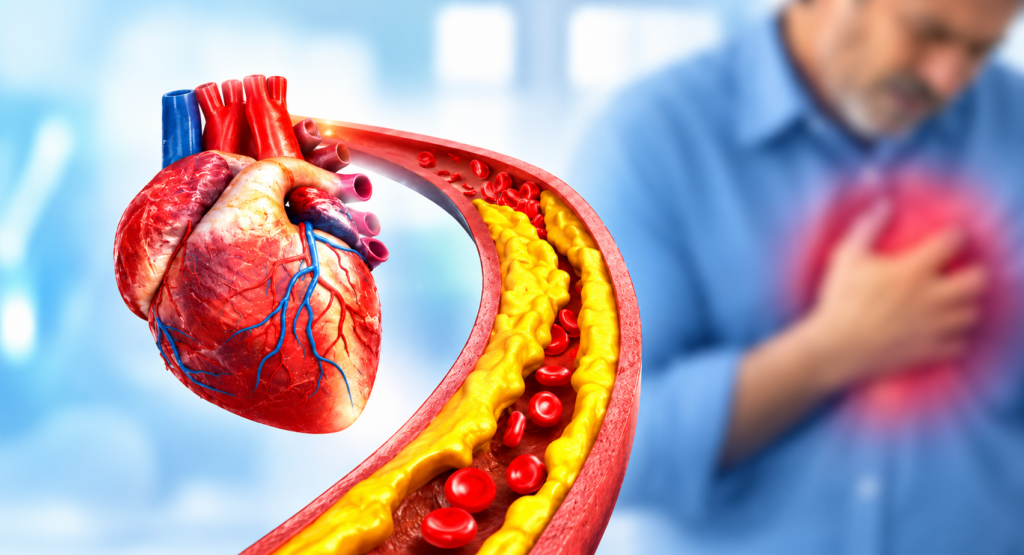
LDL carries cholesterol throughout the body. When LDL levels become elevated, cholesterol-containing particles can accumulate within artery walls, contributing to plaque formation. Over time, these deposits narrow the arteries and increase the risk of heart attacks and strokes.
High-Density Lipoprotein (HDL): The “Good” Cholesterol
HDL helps transport excess cholesterol back to the liver for removal. Low HDL levels are associated with increased cardiovascular risk. However, a high HDL level does not cancel out the dangers of elevated LDL cholesterol.
Triglycerides
Triglycerides are another type of fat in the blood, primarily used for energy storage. High levels are often associated with obesity, diabetes, excessive alcohol consumption and diets containing large amounts of refined carbohydrates and added sugars. Extremely high levels can also cause inflammation of the pancreas, known as pancreatitis.
How Common Is High Cholesterol?
According to the World Health Organization’s September 2026 update, approximately 39% of adults globally have raised total cholesterol. Elevated LDL cholesterol contributed to an estimated 3.6 million deaths worldwide in 2023, mainly through heart disease and stroke.
In Guyana, the 2016 WHO STEPS Survey found that 50.1% of adults aged 18–69 years had raised total cholesterol, defined in that survey as a level of at least 190 mg/dL (5.0 mmol/L) or current treatment for raised cholesterol.
What Causes High Cholesterol?
High cholesterol develops through a combination of genetic, metabolic, dietary, and lifestyle factors.
Important risk factors include:
Unhealthy dietary habits: Frequent consumption of foods rich in saturated and trans fats, including fatty meats, processed meats, pastries and deep-fried foods.
Physical inactivity: Limited exercise contributes to obesity and an unfavourable cholesterol profile.
Overweight and obesity: Excess abdominal fat is closely associated with increased triglycerides, low HDL and insulin resistance.
Diabetes mellitus: Particularly poorly controlled type 2 diabetes, which commonly causes abnormalities in blood lipids.
Smoking: Damages blood vessels, reduces HDL cholesterol, and substantially increases cardiovascular risk.
Excessive alcohol consumption: Particularly increases triglycerides.
Family history: Some people inherit conditions that cause very high cholesterol, even when they maintain a healthy lifestyle.
Other medical conditions: Hypothyroidism, chronic kidney disease, and certain liver disorders.
Age and hormonal changes: Cholesterol levels may increase with age and following menopause.
Certain medications, including some corticosteroids and other long-term treatments, can also affect cholesterol levels.
An important point is that high cholesterol is not always caused by poor eating habits. Genetics can be a major contributor, and even physically active individuals may develop dangerously high levels.
Signs and Symptoms: Why Is It Called a Silent Condition?
High cholesterol usually causes no symptoms.
A person may have significantly elevated cholesterol for years without experiencing pain, dizziness, headaches or any obvious physical changes.
In uncommon cases, particularly among individuals with inherited severe cholesterol disorders, visible signs may develop. These include yellowish cholesterol deposits around the eyelids, fatty deposits around tendons and a pale ring around the cornea in younger individuals.
However, most patients have no visible signs.
The first noticeable event may unfortunately be a complication, such as a heart attack, stroke, or reduced circulation to the legs.
This is why you cannot depend on how you feel to determine whether your cholesterol is normal.
How Does High Cholesterol Damage the Body?
When LDL cholesterol remains elevated, particles can enter the walls of blood vessels, triggering inflammation and the formation of fatty plaques. This process is called atherosclerosis.
Over time, the arteries become narrowed or obstructed. Some plaques may rupture suddenly, causing blood clots that interrupt blood flow.
If this occurs in the arteries supplying the heart, it can cause a heart attack. If it affects the blood supply to the brain, it can cause an ischaemic stroke.
The same process can affect arteries supplying the legs, kidneys and other organs.
Elevated cholesterol is particularly dangerous when combined with uncontrolled hypertension, diabetes, smoking or chronic kidney disease. These conditions act together to accelerate vascular damage.
Diagnosis: When Should You Check Your Cholesterol?
High cholesterol is diagnosed through a simple blood test called a lipid profile.
The test measures total cholesterol, LDL cholesterol, HDL cholesterol and triglycerides.
Treatment: Can High Cholesterol Be Reversed?
High cholesterol can often be substantially improved and controlled. Treatment focuses on reducing LDL cholesterol and, more importantly, preventing future cardiovascular complications.
1. Lifestyle and Dietary Changes
Dietary modification is a fundamental component of treatment.
In Guyana, many traditional foods can form part of a healthy diet. The issue is often how meals are prepared, the quantity of cooking oil used, portion sizes and the frequency of fried or highly processed foods.
Consider reducing frequent consumption of fried chicken, fried fish, chips, fatty meats, sausages, pastries, heavily buttered foods and meals prepared with excessive oil.
Coconut oil and coconut milk are common in Caribbean cooking, but both can contain considerable amounts of saturated fat. Using smaller quantities can help reduce saturated-fat intake.
Healthier options include grilled or baked fish, skinless chicken, peas, beans, dhal, oats, vegetables, fresh fruits and whole grains.
Locally available foods such as bora, callaloo, pumpkin, ochro and various beans can contribute to a heart-healthy eating pattern.
Increase foods rich in soluble fibre, particularly oats, beans and peas, because soluble fibre helps reduce LDL cholesterol.
Choose unsaturated vegetable oils in moderate amounts rather than saturated fats. Avoid industrial trans fats where possible.
Portion control is equally important, particularly when consuming rice, roti, bread and other carbohydrate-rich foods. Reducing sugary beverages and refined carbohydrates is especially helpful for patients with high triglycerides.
2. Regular Physical Activity
Adults should aim for at least 150 minutes of moderate-intensity physical activity weekly.
Brisk walking, cycling, swimming, dancing, gardening and other forms of movement can contribute to cardiovascular health.
Regular exercise improves metabolic health, supports weight control and can improve triglyceride and HDL levels.
Even 30 minutes of brisk walking on five days each week can make a meaningful difference.
3. Weight Management
For individuals who are overweight, losing approximately 5–10% of their body weight can improve triglycerides, insulin resistance and several cardiovascular risk factors.
The objective is not simply weight loss, but achieving a healthier metabolic profile through sustainable habits.
4. Cholesterol-Lowering Medication
Some patients require medication in addition to lifestyle modification.
Statins are the first-line medicines for most people who need cholesterol-lowering treatment. They reduce cholesterol production in the liver and lower LDL cholesterol, thereby reducing the risk of heart attacks and strokes.
Examples include atorvastatin, rosuvastatin and simvastatin.
The medication and dose are selected according to the patient’s cholesterol levels, cardiovascular risk, medical conditions and possible drug interactions.
Patients who have already experienced a heart attack or ischaemic stroke, or who have In patients with very high triglycerides, specific triglyceride-lowering medicines may also be needed to reduce the risk of pancreatitis.
Importantly, cholesterol medication is generally a long-term treatment. Patients should not discontinue prescribed medication simply because a repeat blood test shows normal cholesterol levels. The improved result may be due to the medication working effectively.
Statins are generally well tolerated. Muscle aches may occur in some individuals, while serious muscle or liver complications are uncommon. Persistent muscle symptoms, significant weakness or other suspected adverse effects should be discussed with a doctor rather than automatically abandoning treatment.
Patients who are pregnant or planning pregnancy should also review cholesterol medication with their healthcare professional.
High cholesterol is one of the most manageable risk factors for heart attacks and strokes, yet it frequently goes undetected because it produces no early warning symptoms.
A person can appear healthy on the outside while cholesterol is gradually damaging their blood vessels on the inside.
Early screening, healthy eating, regular exercise, appropriate medication and consistent medical follow-up can significantly reduce cardiovascular complications.
Remember: A healthy heart is not determined by how you feel today, but also by the risk factors you manage for tomorrow.
Know your cholesterol. Know your risk. Protect your heart and brain.
Discover more from Guyana Times
Subscribe to get the latest posts sent to your email.