


The Hydrometeorological Service is warning Guyana to prepare for hotter and potentially more challenging weather conditions through March next year, with little relief from the current heat expected in the coming months.

The warning came from Specialist Meteorologist Komalchand Dhiram as the Hydrometeorological Service convened stakeholders from the Public and Private Sectors to present its latest seasonal outlook and provide updated climate information to help key sectors prepare for and respond to the expected conditions.
The current outlook is being influenced by El Niño, a climate pattern associated with unusually warm ocean surface temperatures in the central and eastern tropical Pacific Ocean.
The phenomenon can influence weather patterns around the world, including temperature and rainfall conditions.
Looking ahead to the coming months, the Hydrometeorological Service presented a graph showing the expected sea surface temperatures and the likelihood and strength of the El Niño phenomenon.
The graph used colour codes to indicate predicted sea surface temperatures. Areas shown in red represented temperatures that are expected to be warmer than normal, while blue indicated cooler-than-normal conditions.
In fact, the outlook from October through December shows that sea surface temperatures in the central and eastern tropical Pacific are expected to remain above normal. According to the Service, this region plays an important role in influencing rainfall patterns and the intensity of seasonal rainfall.
The graph also indicates that the warmer-than-normal conditions are expected to persist through March, with no significant change currently projected.
Hotter days ahead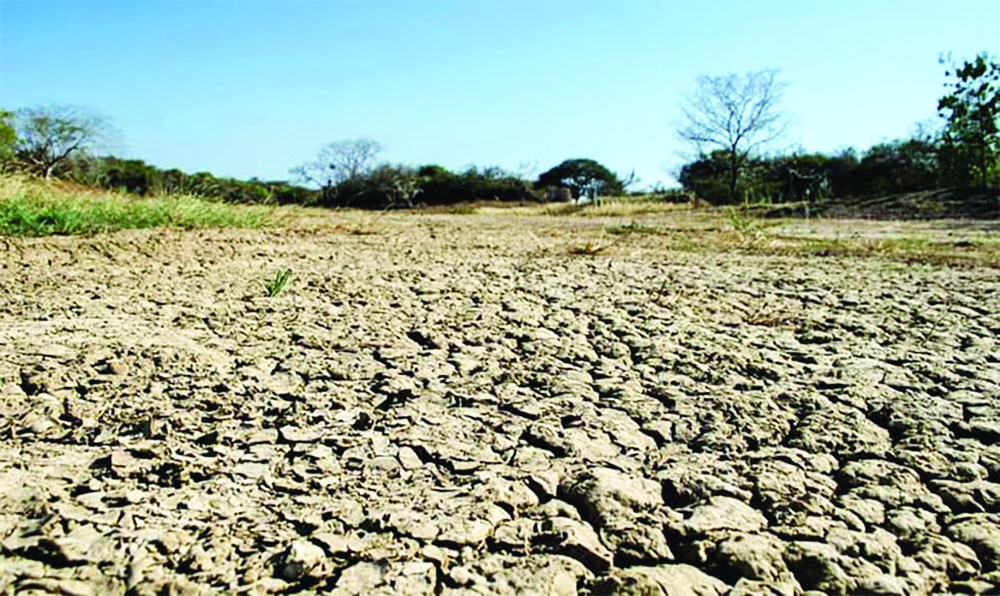
Zoning in on the upcoming months of 2026, he noted that there are no signs of any significant improvement in weather conditions, with little chance of experiencing wetter conditions.
To top it off, temperatures are expected to remain high, with the heat set to persist in the coming months.
“So, from October, November, and December, the sea surface temperature is predicted to be above normal in this area, but the intensity of the seasonality. We continue to say that there is approximately a 90 per cent chance of this…that’s how confident we are that this can go all the way towards the end of March. At least up to January and February, we have more than an 85 per cent chance that we’re going to have a strong El Niño.”
The Hydrometeorological Service is forecasting below-normal rainfall conditions across Guyana for October, November and December.
The Service noted that during this period, the southern part of the country is typically drier, while the northern regions generally receive more rainfall. However, the latest forecast shows a higher probability of below-normal rainfall across the country, with no indication in the current models of normal or above-normal rainfall conditions.
He explained that the stronger the colour intensity on the forecast map, the greater the confidence that rainfall totals will remain below normal.
“So though you receive rain, you still have a larger deficit. You would expect the rain to come in December to provide some form of relief for farmers and hydro planning and so on, but that is not what we notice. Now, December may arrive and there may be some showers, and we want to see if we can get this around. Give yourself a chance for the month to finish and then do the analysis. We want to provide more detail on this.”
He added, “And you know what happened in July and August? We really did not get that amount of usual rain. So hence, the forecast is below normal. So therefore, we have now moved from drought warning to drought emergency alert at the short-term level. On the long-term level now, as you can see here from April to March, this is looking green and not so much of a concern.”
The Hydrometeorological Service noted that Guyana received less rainfall than usual during July and August, contributing to the below-normal rainfall outlook.
As a result, the country has moved from a short-term drought warning to a drought emergency alert. However, the long-term drought outlook, covering April to March, remains largely favourable, with the Service indicating that there is currently less concern at the long-term level.
As the effects of El Niño are expected to affect Guyana, farmers are set to receive direct assistance from the government to help them cultivate crops and manage the anticipated conditions.
Looking ahead to November, the Service noted that while rainfall could still begin during the month under normal circumstances, the start of the rainy season is expected to be relatively dry, with rainfall amounts projected to remain below average.
Discover more from Guyana Times
Subscribe to get the latest posts sent to your email.