


By Dr Tariq Jagnarine
Fam Med, Endocrinology
For many men, the prostate is something they rarely think about until urinary symptoms begin. A weaker stream, difficulty starting, getting up several times at night to urinate, dribbling, urgency, or a feeling that the bladder is not emptying properly are often dismissed as part of ageing. However, these symptoms should not simply be ignored.
The prostate is a small gland located below the bladder and surrounds part of the urethra. As men age, prostate problems become more common. The three main conditions we consider are benign prostatic hyperplasia (BPH), prostatitis, and prostate cancer.
In clinic, I frequently see men who have been living with urinary symptoms for months or even years before seeking help. Some have adjusted their daily routine around finding washrooms, waking repeatedly at night, or reducing how much water they drink. Others delay assessment, because they are embarrassed or afraid that any prostate problem means cancer.
The important message is that not every prostate problem is cancer.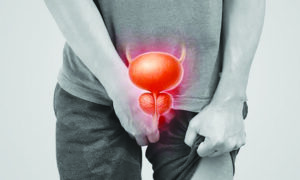
An enlarged prostate
BPH is a non-cancerous enlargement of the prostate and becomes increasingly common with age. It may cause a weak urinary stream, straining, dribbling, frequency, urgency, and repeated nighttime urination.
One of the symptoms I hear most often in clinic is waking several times during the night to urinate. This may seem minor, but over time it can affect sleep, energy, work, and quality of life.
Urinary symptoms can also be caused by diabetes, urinary infections, bladder problems, and medications, which is why proper assessment remains important.
Prostatitis
Prostatitis is inflammation of the prostate and may sometimes be caused by bacterial infection. Symptoms can include burning during urination, pelvic discomfort, difficulty passing urine, increased frequency and, in acute infection, fever or chills.
Men with high fever, severe pelvic discomfort, or difficulty passing urine should seek prompt medical attention.
Prostate cancer
The challenge with prostate cancer is that early disease may cause no symptoms at all. Risk increases with age, and family history is important. Men with a father, brother or son who has had prostate cancer should inform their healthcare provider. Men of African ancestry also carry a higher burden of the disease, making prostate awareness particularly relevant in Guyana and the Caribbean.
In clinic, asking a simple question such as, “Has anyone in your family had prostate cancer?” can significantly change how I assess a man’s risk.
Understanding the PSA Test
The prostate-specific antigen, or PSA, blood test is an important tool, but a high PSA does not automatically mean cancer. Prostate enlargement, inflammation and other conditions can also increase the level.
PSA test results should, therefore, be interpreted alongside age, symptoms, family history, examination findings, and previous results.
For many men, discussion about prostate-cancer screening begins around age 50. For those at higher risk, including men of African ancestry or those with a strong family history, the conversation may begin earlier, around 40–45 years.
The decision should be made through discussion between the patient and healthcare provider.
The rectal examination
Some men delay prostate assessment because they are uncomfortable with the digital rectal examination.
We need to normalise this discussion.
It is a brief medical examination that can provide useful information about the prostate. It is not something to be ashamed of and has nothing to do with masculinity or sexuality. It is simply part of appropriate medical care when indicated.
Some wait until they are struggling significantly to pass urine. Others only come because a wife, partner, or family member insists that they get checked. Some avoid testing because they fear being diagnosed with cancer.
But ignoring symptoms does not make disease disappear, and having symptoms does not automatically mean cancer.
Men should seek assessment for persistent difficulty urinating, weak stream, frequent nighttime urination, blood in the urine, recurrent urinary infections, pelvic discomfort or unexplained weight loss and bone pain.
If you cannot pass urine at all, seek urgent medical attention.
Men should also be cautious about herbal products or supplements promoted as prostate treatments. These should never replace proper medical assessment.
The broader lesson is that men’s health should not begin only when symptoms become severe.
Know your family history. Pay attention to changes in your urinary habits. Discuss your prostate-cancer risk with your healthcare provider and seek assessment early.
Sometimes prevention does not mean preventing a disease completely. Sometimes it means finding it early enough to prevent serious complications.
Having urinary symptoms does not mean you have prostate cancer, and having no symptoms does not completely exclude it. Know your risk, recognise changes, and act early.
Discover more from Guyana Times
Subscribe to get the latest posts sent to your email.