


..Understanding “good” and “bad” cholesterol and why cardiovascular disease remains a leading killer
By Dr Tariq Jagnarine
Fam Med, Endocrinology/Diabetes
Heart disease remains one of the leading causes of death globally and throughout the Caribbean. In Guyana, increasing rates of hypertension, diabetes, obesity, smoking, stress, and unhealthy diets are contributing to rising cardiovascular disease.
One of the most misunderstood topics in health is cholesterol.
Many people hear terms like “good cholesterol” and “bad cholesterol”, but are unsure what they actually mean or why they matter.
The truth is that cholesterol itself is not entirely bad. Your body actually needs cholesterol for important functions. Problems occur when cholesterol levels become abnormal and begin damaging blood vessels over time.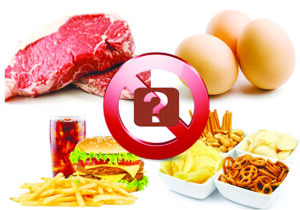
What Is cholesterol?
Cholesterol is a fatty substance naturally produced by the liver and also obtained from certain foods.
Your body uses cholesterol to:
• Build cells
• Produce hormones
• Support brain and nerve function
• Produce vitamin D
• Help digestion
However, excess cholesterol can accumulate in blood vessels, increasing the risk of cardiovascular disease.
Understanding the different types of cholesterol
LDL Cholesterol: The “Bad” CholesterolLDL (Low Density Lipoprotein) cholesterol is often called the “bad cholesterol”.
High LDL levels can lead to plaque buildup inside arteries.
Over time, this narrows blood vessels and increases the risk of:
• Heart attack
• Stroke
• Peripheral vascular disease
HDL Cholesterol: The “Good” Cholesterol
HDL (High-Density Lipoprotein) helps remove excess cholesterol from the bloodstream.
Higher HDL levels are generally protective against heart disease.
Triglycerides
Triglycerides are another type of fat found in the blood.
High triglyceride levels are linked with:
• Obesity
• Diabetes
• Fatty liver disease
• Increased cardiovascular risk
How heart disease develops
When excess LDL cholesterol accumulates in artery walls, inflammation develops and plaques form.
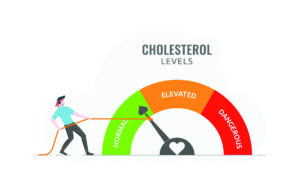
This process is called atherosclerosis.
Over time:
• Arteries become narrowed
• Blood flow decreases
• Plaques may rupture suddenly
This can lead to:
• Heart attack
• Stroke
• Sudden death
Many people have no symptoms until a major event occurs.
Risk factors for high cholesterol and heart disease
Several factors increase risk:
Unhealthy diets
Diets high in:
• Fried foods
• Processed foods
• Sugary drinks
• Fast foods
• Saturated fats
• Trans fats
can worsen cholesterol levels.
Obesity
Excess body weight increases cardiovascular risk.
Physical inactivity
Sedentary lifestyles contribute to poor heart health.
Smoking
Smoking damages blood vessels and accelerates plaque formation.
Diabetes
Diabetes significantly increases cardiovascular risk.
Hypertension
High blood pressure and high cholesterol together are especially dangerous.
Family history
Genetics can strongly influence cholesterol levels.
Symptoms: Why cholesterol is dangerous
High cholesterol itself usually causes no symptoms.
Many individuals only discover they have elevated cholesterol after:
• A heart attack
• A stroke
• Chest pain
• Heart failure
This is why routine screening is important.
What cholesterol levels should be?
Healthy targets vary depending on overall cardiovascular risk.
Generally:
• Lower LDL is better
• Higher HDL is protective
• Lower triglycerides are preferred
Individuals with diabetes, previous heart disease, kidney disease, or stroke often require stricter cholesterol control.
The truth about diet and cholesterol
Many people believe cholesterol only comes from fatty foods.
In reality:
• Sugar excess
• Ultra-processed foods
• Obesity
• Alcohol
• Inactivity
also contribute significantly to abnormal cholesterol levels.
Foods that may help
• Fruits
• Vegetables
• Oats
• Beans
• Fish
• Nuts
• Whole grains
• Olive oil
Foods to limit
• Fried foods
• Processed meats
• Fast foods
• Sugary beverages
• Excessive pastries and snacks
What about eggs?
Eggs were once heavily criticized because of cholesterol content.
Current evidence suggests moderate egg consumption is generally safe for most healthy individuals.
However, overall dietary patterns matter more than focusing on one food alone.
Can young people have high cholesterol?
Yes.
Increasingly, younger adults and even adolescents are developing:
• High cholesterol
• Obesity
• Hypertension
• Early heart disease
Poor diet, inactivity, vaping, smoking, and stress are contributing factors.
Cholesterol and Caribbean health
Caribbean populations face growing cardiovascular risks because of:
• Processed diets
• Reduced physical activity
• Urban lifestyles
• Increasing obesity
• Diabetes prevalence
Public health prevention strategies are urgently needed.
Statins: should people be afraid?
Statins are medications commonly used to lower LDL cholesterol.
For many high-risk individuals, statins significantly reduce:
• Heart attacks
• Stroke risk
• Cardiovascular deaths
Like all medications, they may have side effects, but for many patients the benefits outweigh the risks.
Treatment decisions should always be individualised.
Lifestyle changes that protect the heart
Exercise regularly
Aim for at least 150 minutes weekly.
Maintain a healthy weight
Even modest weight loss improves cholesterol.
Stop smoking
Smoking dramatically increases cardiovascular risk.
Control blood pressure and diabetes
Managing these conditions is essential.
Sleep and stress management
Poor sleep and chronic stress also affect heart health.
When should you get tested?
Adults should consider cholesterol screening:
• From early adulthood onward
• Earlier, if there is a family history
• More frequently if diabetic, overweight, or hypertensive
Routine health checks can prevent future complications.
Heart disease often develops silently over many years. Understanding cholesterol is not about fear, but about prevention and informed choices. Healthy lifestyles, early screening, and proper medical care can dramatically reduce the risk of heart attack and stroke.
Know your numbers. Protect your heart. Your future health depends on the choices you make today.
Discover more from Guyana Times
Subscribe to get the latest posts sent to your email.