

Graphic crime scene photographs were on Thursday shown to jurors as the trial into the murders of cousins, Joel and Isaiah Henry, opened before Justice Simone Morris-Ramlall.
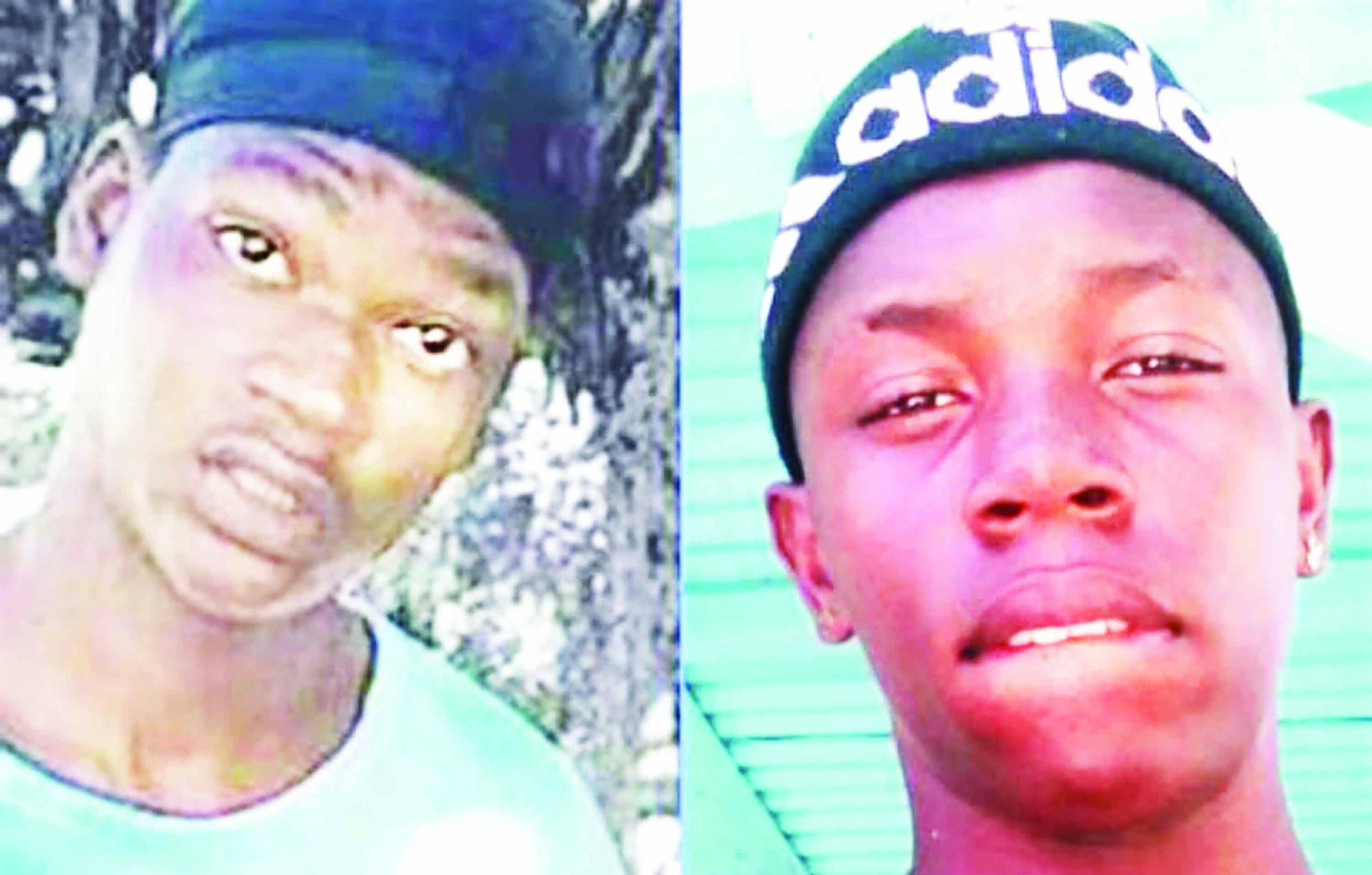
The jury heard testimony from the prosecution’s first witnesses raising questions about whether the West Coast Berbice teenagers were killed elsewhere before their bodies were dumped in the Cotton Tree backlands.
The opening day of testimony also saw defence Attorneys aggressively challenge the handling of crime scene evidence and photographs collected by investigators following the September 2020 killings, which shocked the nation.
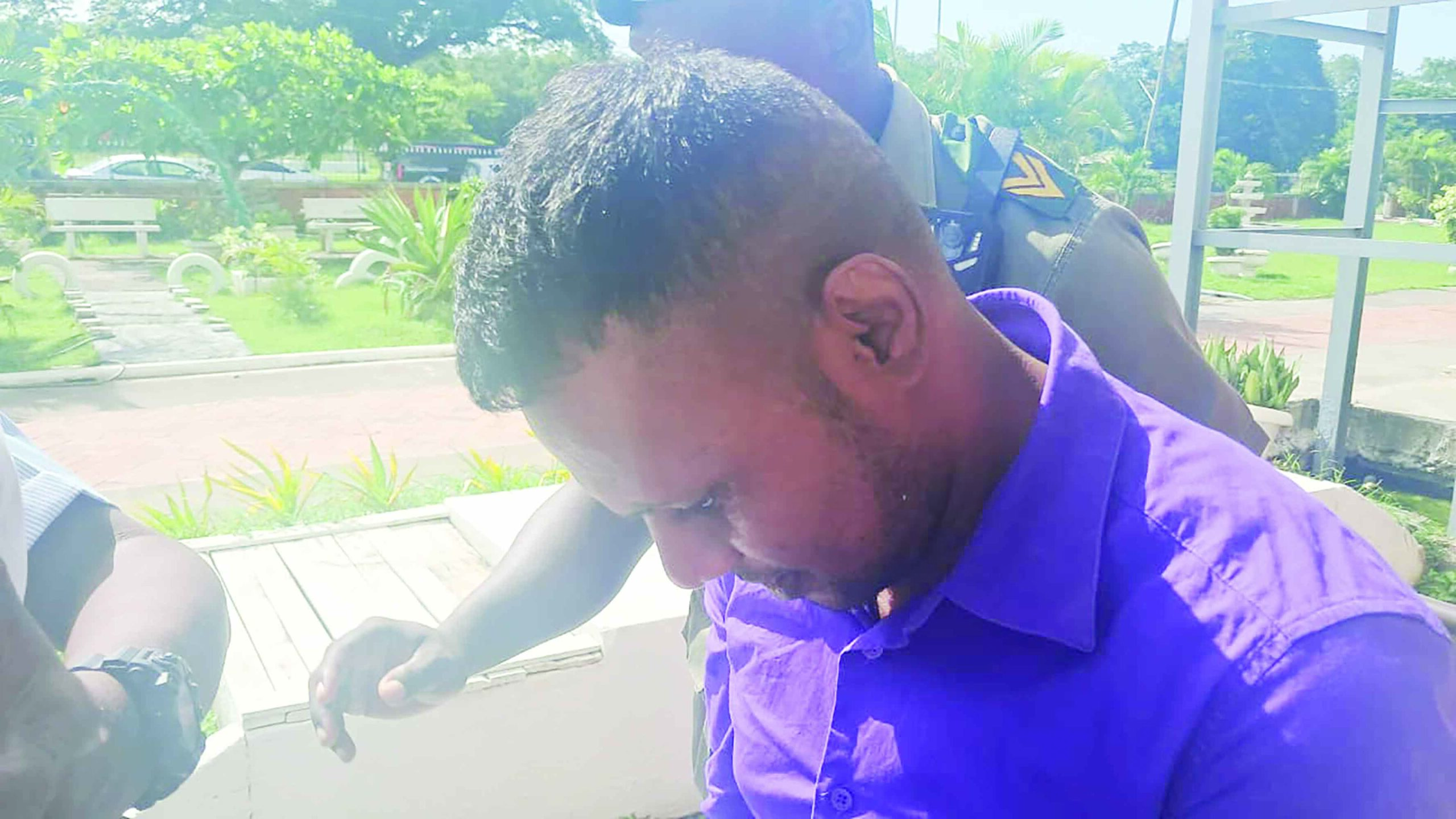
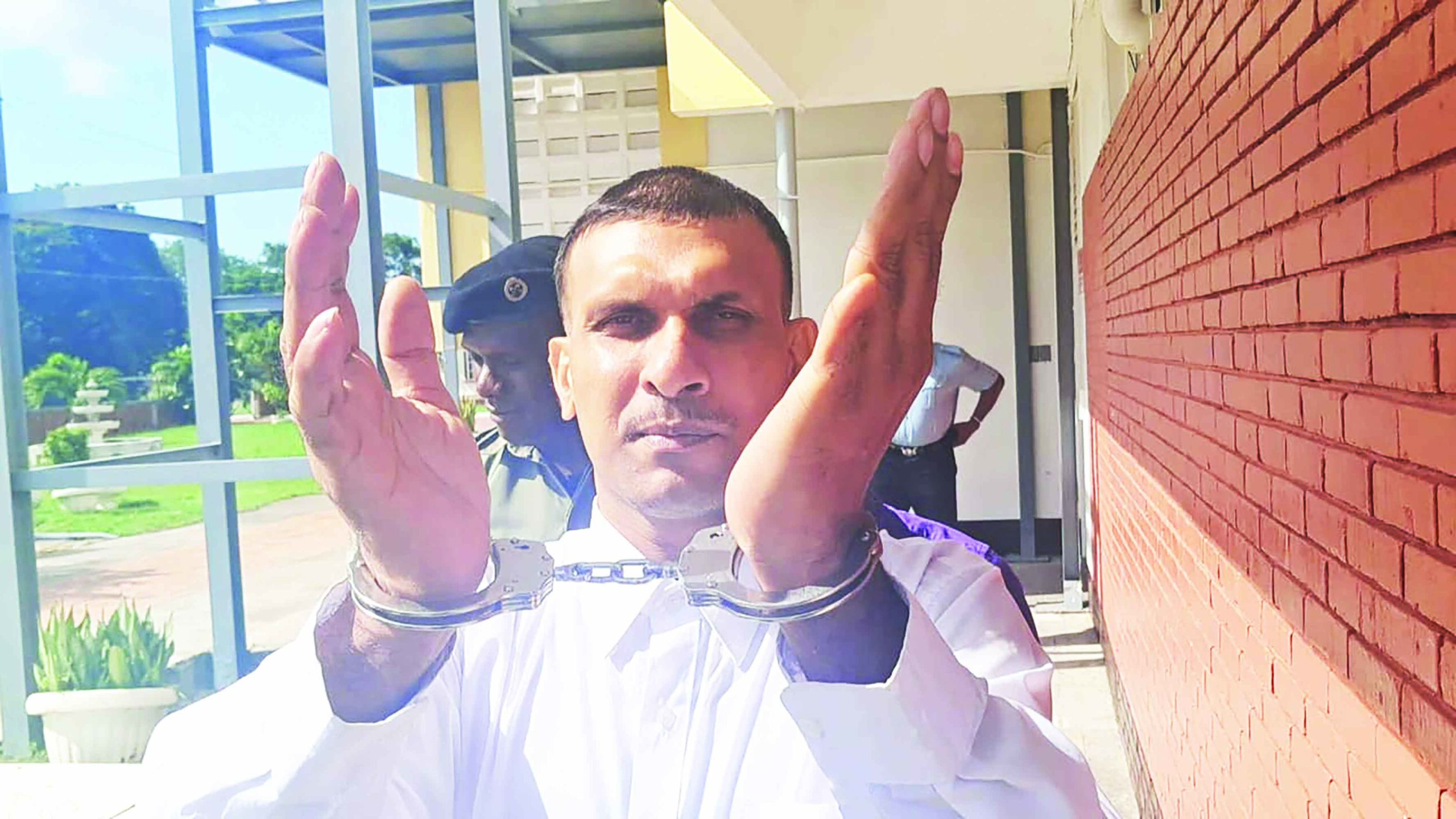
Charged with the murders are Anil Sancharra, called “Dan Pole” or “Rasta”, and Vinod Gopaul, called “Magga”.
State Prosecutor Marisa Edwards told the court the prosecution intends to call 45 witnesses during the trial, among them 16 Police witnesses, relatives of the deceased teenagers, residents from surrounding communities and a pathologist.
Joel and Isaiah Henry disappeared on September 5, 2020, prompting relatives and villagers to launch a search after the cousins failed to return home. Their mutilated bodies were later discovered in the backlands at Cotton Tree, West Coast Berbice.
Representing the number one accused, Sancharra, is Dexter Todd, while Attorney-at-Law Chandra Sohan is appearing for the number two accused, Gopaul.
Among the prosecution’s first witnesses were relatives of the teenagers, including Winston Henry and Laurce Fullington, who are both cousins of the deceased boys.
Winston Henry testified that he identified Isaiah’s body after the gruesome discovery in the backlands.
Fullington’s testimony provided jurors with insight into the cousins’ movements and familiarity with the farming area where villagers cultivated crops and gathered fruit.
Living a short distance from both teenagers, she recalled that Isaiah would often assist her with chores around her home and yard, while Joel, who had only moved to the community about a year before the incident, was more interested in music and was seldom seen venturing into the backdam.
She told the court that the area contained coconut trees, mango trees, and watermelon cultivation, and explained that villagers would frequently travel there to farm or gather produce.
According to the witness, she regularly visited the backdam to purchase mangoes, which she sold in Georgetown, and it would take approximately an hour to walk into the area.
While she recalled seeing Isaiah in the backdam on a few occasions, she maintained that she never saw Joel there.
The court also heard that on September 5, 2020, she assisted Joel’s mother in searching the Number Two backdam, where the teenager would normally go to pick mangoes.
A search party was formed the following day after the boys failed to return home, and the Police were subsequently informed that the teenagers were missing.
Fullington later went into the backdam, where she saw the bodies of the two cousins on a tractor.
She recalled that Isaiah’s hands were above his head and his jersey had been raised over his face, while Joel’s body lay beside him.
Another witness, Indeejeet Singh, told jurors that on the morning the teenagers disappeared, he saw Isaiah Henry and another young person pushing a bicycle in the direction of the backdam.
Singh explained that he was heading to his cash crop farm, located about two miles into the area, at the time.
He said he knew Isaiah because both he and Isaiah’s father worked as cane harvesters, while he himself also cultivated vegetables in the backdam.
During cross-examination by Sohan, Singh was questioned about previously being arrested in connection with the matter, and Singh said he was.
The prosecution later shifted its case from background evidence to the crime scene itself through the testimony of Sergeant Nelson White of the Criminal Investigation Department.
White told the court that she visited the scene in the Cotton Tree backlands alongside other Police ranks and senior officers from Georgetown.
According to the witness, Joel Henry’s body was found approximately two miles into the backlands area with injuries, including cuts to the back of one hand, while his face appeared swollen.
The court also heard that Isaiah Henry’s body was found some distance away from Joel’s body.
White further testified that investigators observed what appeared to be blood some distance away from where the bodies were discovered, testimony which appeared to support suggestions that the teenagers may have been killed elsewhere before their bodies were dumped.
Graphic photographs taken at the scene were then shown to the jury.
Under cross-examination, Dr Todd challenged the handling of the crime scene and the preservation of evidence, questioning White extensively about the photographs and the procedures used by investigators.
The witness, however, maintained that the photographs accurately represented the conditions observed when investigators arrived.
She also testified that efforts were made to preserve potential evidence by covering the victims’ hands with plastic.
Sohan, meanwhile, questioned the witness about lighting conditions at the scene, but White maintained that visibility was good and investigators were able to clearly observe the area. The prosecution is expected to continue calling witnesses when the trial resumes today.
Discover more from Guyana Times
Subscribe to get the latest posts sent to your email.