


…What every woman, partner, parent, and community should know
By Dr Tariq Jagnarine
Fam Med, Global Health
Abortion is one of the most sensitive health topics in society, but silence does not protect people. Accurate information, early medical care, confidentiality, and respectful counselling save lives. In Guyana, abortion is regulated under the Medical Termination of Pregnancy Act 1995. The safest approach is always to seek care from a qualified health professional who can confirm the pregnancy, assess gestational age, explain legal and medical options, and provide follow-up care. WHO recommends that abortion care should be safe, timely, affordable, non-discriminatory, and based on evidence.
Why this topic matters
An unplanned pregnancy can happen for many reasons: contraceptive failure, no access to contraception, sexual coercion, rape, unstable relationships, financial hardship, health risks, or not being emotionally ready.
People facing these decisions need information, not shame.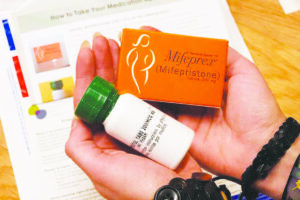
Unsafe abortion can lead to severe bleeding, infection, infertility, organ injury, and death. The public health goal is simple: prevent unsafe practices and ensure people have early access to safe, legal, confidential medical care.
Abortion options
There are two main medically recognised options.
1.Medication abortion
Medication abortion uses tablets to end an early pregnancy. Commonly used medicines are mifepristone and misoprostol, or misoprostol alone when mifepristone is unavailable. These medicines should be used with ***medical guidance***, especially to confirm how far along the pregnancy is, rule out ectopic pregnancy, explain what bleeding is expected, and arrange follow-up.
2.Procedural abortion
Procedural abortion is done by a trained health provider. One common method is vacuum aspiration, depending on the stage of pregnancy and clinical situation. This should be done in a safe health facility with infection prevention, pain control, and emergency support if needed.
Warning signs: seek urgent medical care
After a miscarriage, abortion, or abortion attempt, seek emergency care immediately if there is:
• Heavy bleeding, such as soaking ***two or more pads per hour for two hours***
• Severe abdominal or pelvic pain that does not improve
• Fever, chills, or feeling very unwell
• Foul-smelling vaginal discharge
• Dizziness, fainting, weakness, or confusion
• Shoulder-tip pain or severe one-sided pelvic pain, which may suggest ectopic pregnancy
• Persistent vomiting or inability to keep fluids down
• No bleeding after using abortion medication when pregnancy symptoms continue
• Ongoing heavy bleeding for many days
• Severe back pain with fever
• Fast heartbeat, shortness of breath, or collapse
These signs may indicate haemorrhage, infection, retained pregnancy tissue, ectopic pregnancy, or sepsis. Do not wait at home because of fear or shame.
What not to use
Do not use:
• Poisonous herbs
• Alcohol mixtures
• Bleach, chemicals, or disinfectants
• Sharp objects
• Unknown tablets from unverified sellers
High-dose medicines not prescribed for you.
• Traditional mixtures inserted into the vagina
These can cause poisoning, burns, infection, organ damage, infertility, and death.
Aftercare matters
After abortion care, a person should receive:
• A check for bleeding, pain, fever, and infection
• Clear instructions on what is normal and what is dangerous.
• Emotional support if needed.
• Confidential counselling
• Family planning before leaving the facility.
• Information on when to return for review.
• STI testing if there was a risk of exposure.
• Support after rape, coercion, or intimate partner violence
Family planning after abortion
Family planning is not a punishment. It is protection, choice, and planning for the future.
Ovulation can return as early as ***8–10 days after an abortion***, meaning pregnancy can happen again very quickly if contraception is not started. WHO notes that all contraceptive options may be considered after abortion, and contraception should be offered as soon as possible for those who wish to delay or prevent another pregnancy.
Contraceptive options
Short-term methods
• Condoms
• Oral contraceptive pills
• Injectable contraception
• Emergency contraception
• Contraceptive patch, where available
• Vaginal ring, where available
Condoms are especially important because they help prevent both pregnancy and STIs. Consider using PrEP, a tablet once a day, to prevent HIV.
Long-acting reversible contraception
• Implants
• Copper IUD
• Hormonal IUD, where available
These are highly effective and useful for people who want longer protection, but may want pregnancy later.
Permanent methods
• Tubal ligation
• Vasectomy for male partners
These are for people who are sure they do not want future pregnancies.
Emergency contraception
Emergency contraception can reduce the risk of pregnancy after unprotected sex, condom breakage, missed pills, or sexual assault. It works best when taken as early as possible.
Emergency contraception is not the same as abortion. It helps prevent pregnancy before it is established.
Partners and families have a role
Partners should not pressure, threaten, shame, or abandon someone facing an unplanned pregnancy. Support means:
• Listening without judgment
• Helping the person reach medical care
• Respecting confidentiality
• Avoiding blame
• Supporting family planning decisions
• Recognising signs of danger early
Special concern: adolescents and young women
Young people may delay seeking care because they fear parental, partner, or teacher judgment, or public embarrassment. This delay can be dangerous.
Adolescents need confidential, youth-friendly, non-judgmental services. They also need accurate information about contraception, consent, sexual violence, and STI prevention.
Abortion is not just a legal or moral debate. It is a medical and public health issue.
The safest message is:
• Seek care early
• Avoid unsafe methods
• Know the warning signs
• Use family planning if you are not ready for pregnancy
• Treat people with dignity, not shame
Silence increases danger. Accurate information saves lives.
Discover more from Guyana Times
Subscribe to get the latest posts sent to your email.