…Why early treatment and simple habits can prevent serious complications
By Dr Tariq Jagnarine, Fam Med, Endocrinology/Diabetes
Why this matters now
Many people experience a burning sensation when urinating, frequent trips to the bathroom, or lower abdominal discomfort. These symptoms are often ignored, self-treated, or dismissed as something minor.
However, these are common signs of a urinary tract infection (UTI), a condition that can worsen quickly if left untreated.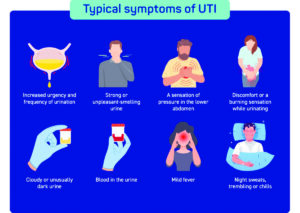
In Guyana, UTIs are frequently seen in clinics, especially among women. While most infections are easily treated, delayed care can lead to serious complications, including kidney infection.
What is a UTI?
A urinary tract infection occurs when bacteria enter the urinary system, affecting the urethra, bladder, or kidneys.
Most infections affect the bladder (cystitis), but if untreated, bacteria can travel upward to the kidneys, causing a more serious infection (pyelonephritis).
Common symptoms: what to look out for
UTIs often present with a combination of symptoms. Recognising them early is key.
Urination changes
• Burning or stinging during urination
• Frequent urge to urinate, even shortly after going
• Passing small amounts of urine each time
• Feeling like the bladder is not fully empty
Changes in urine
• Cloudy urine
• Strong or unpleasant odour
• Dark-coloured urine
• Blood in the urine (pink or reddish colour)
Discomfort and pain
• Lower abdominal or pelvic pain
• Pressure or heaviness in the lower abdomen
• Mild back discomfort
General symptoms
• Fatigue or feeling unwell
• Mild fever (sometimes absent)
• Irritability, especially in elderly persons
Signs of a serious infection (kidney involvement)
These symptoms require urgent medical care:
• High fever
• Chills
• Severe back or side pain
• Nausea and vomiting
• Weakness or confusion
These signs may indicate the infection has spread to the kidneys.
Who is most at risk
UTIs are more common in women due to anatomy, but they can affect anyone.
Higher-risk groups include:
• Women (especially sexually active)
• Pregnant women
• People with diabetes
• Elderly individuals
• Individuals with urinary retention
• People with weakened immune systems
Common causes in everyday life
Several everyday habits increase the risk:
• Not drinking enough water
• Holding urine for long periods
• Poor hygiene practices
• Sexual activity without proper hygiene
• Tight, non-breathable clothing
• Use of certain feminine products
Why you should not ignore a UTI
Many people try to “flush it out” or wait for symptoms to go away. While mild cases may improve temporarily, untreated infections can worsen.
Possible complications include:
• Kidney infection
• Recurrent UTIs
• Chronic discomfort
• Rare but serious bloodstream infection
Early treatment prevents these outcomes.
Diagnosis and treatment
Diagnosis is usually simple and involves a urine test.
Treatment includes antibiotics, and most people improve within a few days. However, it is critical to complete the full course of medication.
Stopping treatment early may lead to recurrence or resistance.
Prevention: Simple habits that make a big difference
UTIs are often preventable with consistent daily habits.
Stay well hydrated
Drinking enough water helps flush bacteria out of the urinary tract. Aim for regular fluid intake throughout the day.
Do not hold urine
Empty your bladder regularly. Holding urine allows bacteria to multiply.
Practise proper hygiene
• Clean from front to back
• Avoid harsh or scented products in the genital area
• Maintain daily hygiene
After sexual activity
Urinating after sex helps remove bacteria that may have entered the urinary tract.
Wear breathable clothing
Choose loose-fitting, cotton underwear. Avoid tight clothing that traps moisture.
Manage chronic conditions
Conditions like diabetes increase infection risk. Good control reduces complications.
Avoid overuse of antibiotics
Unnecessary antibiotic use can increase resistance and make future infections harder to treat.
Special considerations for women
Women are more likely to experience UTIs and may have recurrent infections.
Recognising early symptoms, maintaining hygiene, and seeking prompt care are essential.
Pregnant women should be especially cautious, as UTIs can affect both mother and baby.
A burning sensation when urinating is not normal.
UTIs are common, but they should never be ignored.
Early action can prevent serious complications and protect your kidneys.
Act early. Treat properly. Stay hydrated. Protect your health.
Discover more from Guyana Times
Subscribe to get the latest posts sent to your email.