


..The hidden psychological effects of constant scrolling in today’s digital world
Dr. Tariq Jagnarine
Fam Med, Global Health
Social media has changed the way we live, communicate, work, date, shop, learn, and interact with the world. In Guyana and across the Caribbean, platforms such as Facebook, Instagram, TikTok, Snapchat, WhatsApp, and X are now deeply embedded into everyday life.
For many people, the first thing they do in the morning is check their phone. The last thing they do before sleeping is scroll through social media.
While these platforms can help people stay informed, entertained, and connected, there is growing global concern about the impact of excessive social media use on mental health, emotional well-being, relationships, productivity, and even physical health.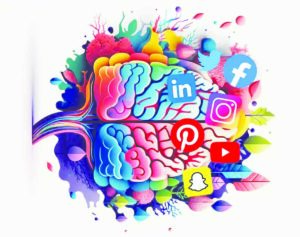
The reality is that social media affects the brain far more than many people realize.
The social media Era: Always connected, Rarely Resting
Today’s generation is more digitally connected than ever before, yet many people report feeling:
• More anxious
• More lonely
• More stressed
• More emotionally exhausted
• More insecure
• More distracted
Many individuals are constantly exposed to:
• News updates
• Viral content
• Online arguments
• Influencer lifestyles
• Unrealistic beauty standards
• Political tension
• Negative comments
• Relationship comparisons
• Financial comparisons
The brain was never designed to process this level of nonstop stimulation 24 hours a day.
The “Perfect Life” Illusion
One of the most damaging aspects of social media is comparison culture. Most people post:
• Their happiest moments
• Their best photos
• Their achievements
• Vacations
• Luxury items
• Relationships
• Fitness progress
• Financial success
What is rarely shown are:
• Depression
• Debt
• Family struggles
• Loneliness
• Anxiety
• Relationship conflict
• Personal failures
• Emotional breakdowns
As a result, many people unconsciously begin comparing their normal life to someone else’s edited highlight reel. This can create feelings of:
• Inadequacy
• Failure
• Jealousy
• Low self-worth
• Pressure to “keep up.”
In Guyana and the Caribbean, where social appearance and public perception often carry significant social value, this pressure can intensify.
The Dopamine Effect: Why Social Media Becomes Addictive
Social media platforms are specifically designed to keep users engaged for as long as possible.
Every: Like, Comment, Share, Notification, Message, Video recommendation: triggers small dopamine releases in the brain.
Dopamine is the brain chemical associated with reward and pleasure. Over time, the brain begins craving repeated stimulation, leading many people to:
• Constantly refresh apps
• Check notifications obsessively
• Scroll without purpose
• Feel restless without their phone
• Lose track of time online
This pattern can become psychologically addictive. Some people spend several hours online each day without realizing how much time has passed.
Anxiety in the Age of Notifications
Many people now feel mentally exhausted from the pressure of always being available. Common modern stressors include:
• Feeling pressured to respond immediately
• Fear of missing out (FOMO)
• Fear of being ignored
• Anxiety when posts receive little engagement
• Pressure to maintain an online image
• Constant exposure to bad news and conflict
Some individuals even experience anxiety when separated from their phones for short periods. This constant mental stimulation prevents the brain from fully resting.
Social Media and Depression
Research increasingly shows associations between excessive social media use and depressive symptoms, particularly among adolescents and young adults. Several factors contribute:
• Cyberbullying
• Isolation
• Social comparison
• Sleep deprivation
• Negative body image
• Online harassment
• Exposure to unrealistic lifestyles
Ironically, despite being digitally connected to hundreds or thousands of people, many users still report feeling deeply lonely. Online interaction cannot fully replace a genuine human connection.
The Mental Health Impact on Teenagers and Young Adults
Young people are especially vulnerable because their brains and self-identity are still developing. Teenagers may become heavily influenced by:
• Beauty standards
• Viral trends
• Online validation
• Influencer culture
• Social acceptance
• Cyberbullying
This can contribute to:
• Eating disorders
• Anxiety disorders
• Depression
• Self-harm
• Poor self-esteem
• Identity struggles
Many young people now judge their self-worth based on: Likes, Followers, Comments, and Appearance online . This creates dangerous emotional dependence on external validation.
Social Media and Body Image
Filters, editing apps, cosmetic enhancement trends, and unrealistic beauty standards are affecting how people view themselves. Many users compare themselves to:
• Edited faces
• Artificial body shapes
• Unrealistic fitness goals
• Cosmetic surgery results
• Influencer lifestyles
This can lead to:
• Body dissatisfaction
• Low confidence
• Obsessive appearance concerns
• Depression
• Anxiety
Both men and women are increasingly affected.
Sleep Deprivation and Brain Fatigue
Many people spend hours scrolling late at night. This affects:
• Sleep quality
• Memory
• Focus
• Mood
• Energy levels
Blue light exposure from phones suppresses melatonin, the hormone that helps regulate sleep. Poor sleep itself increases the risk of:
• Depression
• Anxiety
• Obesity
• Hypertension
• Poor work performance
• Reduced concentration
Sleep deprivation and social media often create a harmful cycle.
The Spread of Misinformation and Fear
Social media can also spread:
• Health misinformation
• Panic
• Rumors
• Fear-based content
• False medical advice
Many people consume large amounts of distressing information daily without realizing its psychological impact. Constant exposure to negative news can increase:
• Stress
• Fear
• Emotional burnout
• Hopelessness
Social Media Is Not All Bad
Despite the concerns, social media also has important benefits. It can:
• Connect families and friends
• Support businesses
• Spread educational content
• Promote health awareness
• Build communities
• Encourage advocacy
• Provide emotional support networks
The goal is not to eliminate social media, but to use it in healthier and more balanced ways.
Signs Social Media May Be Affecting Your Mental Health
Warning signs include:
• Constant comparison with others
• Feeling anxious when offline
• Trouble sleeping due to scrolling
• Reduced concentration
• Emotional exhaustion
• Low self-esteem after using apps
• Spending excessive hours online
• Neglecting real-life responsibilities
• Feeling depressed after browsing social media
If these patterns are affecting daily life, it may be time to reassess digital habits.
Healthy Social Media Habits
Simple steps can protect mental wellbeing:
• Limit screen time
• Avoid scrolling before bed
• Take regular social media breaks
• Unfollow toxic accounts
• Prioritize real-life relationships
• Spend more time outdoors
• Exercise regularly
• Protect personal privacy online
• Avoid comparing yourself to others
Remember: not everything online reflects reality.
Social media is one of the most powerful tools of modern life, but it can also silently affect mental health when used excessively or without balance. Your mental well-being matters more than likes, followers, views, or online validation. Take breaks. Protect your peace. Spend time with real people. Rest your mind. Sometimes the healthiest thing you can do is put the phone down.
Discover more from Guyana Times
Subscribe to get the latest posts sent to your email.