


By Dr Tariq Jagnarine
Fam Med, Endocrinology
Our skin is the body’s first line of defence. However, cuts, insect bites, scratching, excessive moisture, and certain medical conditions can weaken this protective barrier and allow bacteria, fungi, or parasites to cause disease.
In Guyana and across the Caribbean, heat, humidity, sweating and close contact can make some skin conditions especially common. Most are treatable, but using the wrong cream or delaying medical care may allow an infection to spread.
1.Ringworm and other fungal infections
Despite its name, ringworm is not caused by a worm. It is a fungal infection that may appear as an itchy, dry or scaly rash, sometimes with a raised circular border. The same group of fungi can cause athlete’s foot, jock itch, scalp ringworm, and fungal nail infections.
Fungal infections spread through direct skin contact and by sharing towels, clothing, bedding, footwear or grooming equipment. They may also spread from infected animals or contaminated floors.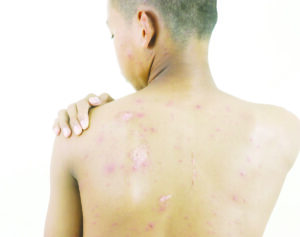
Keep the affected area clean and dry and use an appropriate antifungal treatment as advised. Scalp and nail infections usually require medical assessment and may need oral medication. Avoid using steroid creams on an undiagnosed rash, because steroids can worsen or disguise ringworm. Antibiotics will not treat a fungal infection.
2.Impetigo
Impetigo is a contagious bacterial infection that is particularly common in children. It usually begins as itchy sores or blisters, often around the nose, mouth, arms or legs. These may break open and develop a characteristic yellow or “honey-coloured” crust.
The infection can spread through touching the sores or sharing towels, clothing, and bedding. Keep the area clean, discourage scratching, and avoid sharing personal items. A healthcare professional should assess suspected impetigo, because prescription antibiotic treatment may be required.
3.Folliculitis, boils, and abscesses
Folliculitis is an infection or inflammation around hair follicles. It may appear as clusters of small, itchy or tender bumps resembling pimples. Shaving, tight clothing, sweating, and friction may contribute.
A boil is a deeper, painful lump containing pus. Several connected boils may form a larger infection called a carbuncle. An abscess is a collection of pus beneath the skin.
Do not squeeze, cut or puncture a boil at home. This can force bacteria deeper into the tissues or spread the infection. Some abscesses must be professionally drained, and antibiotics are not always sufficient on their own.
4.Cellulitis
Cellulitis is a bacterial infection involving the deeper layers of the skin. The affected area may become painful, warm, swollen and increasingly discoloured. On brown or dark skin, redness may be difficult to see, so increasing warmth, tenderness, swelling, or a change from the person’s usual skin colour may be more noticeable.
Cellulitis can spread quickly and may cause fever, chills or general weakness. It requires prompt medical assessment and antibiotic treatment. Untreated cellulitis can enter the bloodstream or damage deeper tissues.
5.Scabies
Scabies is technically a skin infestation rather than a bacterial or fungal infection, but it is frequently mistaken for one. It is caused by a tiny mite and produces intense itching – often worse at night –with small bumps or thin burrow-like lines. Common areas include between the fingers, wrists, waist, armpits, buttocks and genital region.
Scabies spreads mainly through prolonged skin-to-skin contact. It is not a sign of poor personal hygiene. Treatment requires a specific prescribed medicine, and close household or intimate contacts may need treatment at the same time to prevent reinfection.
Who is at greater risk?
Skin infections may be more serious or slower to heal in people with:
• Diabetes, especially when blood glucose is poorly controlled
• Poor circulation or reduced sensation
• Eczema, chronic swelling or damaged skin
• Obesity or excessive sweating
• A weakened immune system
• Chronic wounds or recent surgery
• Recurrent scratching, insect bites or skin injuries
People with diabetes should check their feet daily. Even a small blister, crack, or cut can develop into a serious infection without causing much pain.
Protect your skin
Several simple habits can reduce your risk:
• Bathe regularly and dry carefully between the toes and within skin folds.
• Change damp or sweaty clothing promptly.
• Avoid sharing towels, razors, clothing, footwear, and hair-grooming equipment.
• Wear slippers or sandals in communal showers and changing areas.
• Clean minor cuts with safe running water and cover them with a clean dressing.
• Keep fingernails short and avoid scratching bites or rashes.
• Wash towels, bedding, and clothing used by someone with a contagious condition.
• Maintain good blood-glucose control if you have diabetes.
• Do not use leftover antibiotics or another person’s skin medication.
• Seek advice before applying steroid-containing combination creams to an undiagnosed rash.
When should you seek medical care?
Visit a healthcare facility promptly if:
• The affected area is rapidly spreading, increasingly painful, hot or swollen.
• Pus, foul-smelling discharge, red streaks or fever develops.
• A rash involves the eyes, face, genitals, hands, or feet.
• There is severe pain, blistering, blackened skin or skin breakdown.
• The person has diabetes, poor circulation, or a weakened immune system.
• A child has widespread sores or appears unwell.
• The condition repeatedly returns or does not improve with appropriate treatment.
Seek emergency care for rapidly spreading swelling accompanied by severe pain, fever, confusion, faintness, breathing difficulty or marked weakness.
Not every rash is an infection, and infections caused by bacteria, fungi and parasites require different treatments. A cream that helps one condition may worsen another. Early recognition, good hygiene, and appropriate medical care can prevent a minor skin problem from becoming a serious illness.
Healthy skin is not only about appearance – it is an important part of protecting your overall health.
Discover more from Guyana Times
Subscribe to get the latest posts sent to your email.