

…as opportunities remain underused
Guyanese were on Tuesday encouraged to take greater advantage of fully-funded scholarship and cultural exchange opportunities being offered by the Government of India, as officials highlighted the longstanding educational and developmental ties between the two countries during Indian Arrival Day observances at Highbury, East Bank Berbice, Region Six (East Berbice-Corentyne).
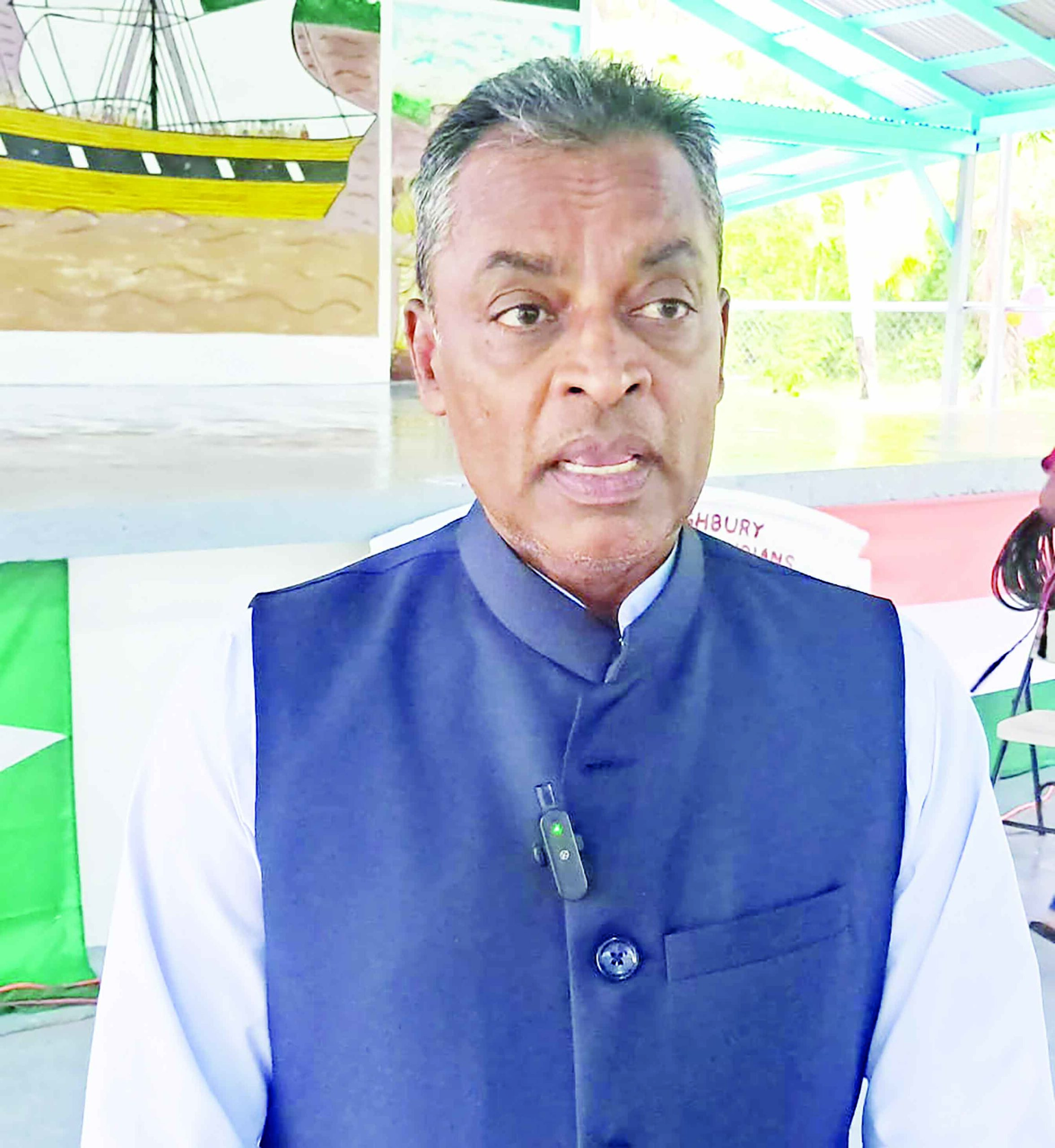
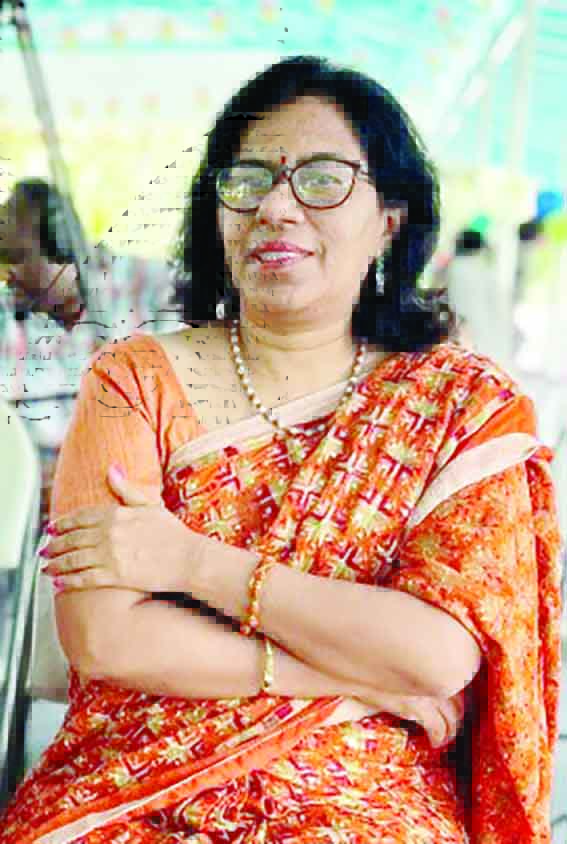
The calls were made by Second Secretary of the High Commission of India in Guyana, Suman Singh, and Guyana’s High Commissioner to India, Dharamkumar Seeraj, during activities marking the 188th anniversary of the arrival of the first East Indians to Guyana.
Addressing the gathering at Plantation Highbury, Singh said the Indian Government continues to offer a wide range of educational and cultural programmes aimed at strengthening ties with Guyana while creating opportunities for young people.
“Every year we have 50 full scholarships which we want students from Guyana to avail benefit from,” Singh said.
She explained that the scholarships cover fields including engineering, medicine, agriculture, information technology and performing arts.
“And I would urge every parent and other ambitious young persons here to avail the benefit and educate and avail all the benefit from India which we have through scholarship schemes,” she added.
Singh said the opportunities extend beyond traditional academics and include the Know India Programme (KIP), ITEC professional training courses, yoga certification programmes and cultural training initiatives.
She also highlighted activities being conducted through the Swami Vivekananda Cultural Centre, including classes in yoga, music, dance, kathak and Hindi language instruction.
“So the Swami Vekanan Cultural is your centre now. Whether you wish to learn instruments, you wish to speak the language, or you wish to simply sit and listen to the stories all the way from India’s epics,” she stated.
Underused
Meanwhile, Seeraj said many of the opportunities being made available by India are not being fully utilised by Guyanese.
In an interview with this publication following the event, he said awareness remains one of the main challenges.
“One of the issues that was raised by the Second Secretary was the fact that the uptake on the scholarship programmes that are available, by and large, has not been 100 per cent,” Seeraj explained.
“So, I think it’s one of awareness and knowing what is available. So I’ve advised people to check on the webpage.”
According to Seeraj, the scholarships are fully sponsored and are offered in a wide variety of disciplines.
“The Government of India is making these scholarships available in the different fields – for culture, for academic programmes, in very, very diversified fields, in agriculture, in engineering, in medicine, and in IT also,” he said.
He added that Guyana has already benefited significantly from Indian-trained professionals and expertise, particularly within the rice industry.
Seeraj pointed to the work of Guyanese plant breeder Dr Mahendra Prasad, whom he described as an Indian-trained scientist who has played a major role in the development of new rice varieties in Guyana.
“The rustic variety, which is an extra-long grain variety, was developed by Pawar, who is an Indian scientist,” Seeraj said.
“And from that variety, we are now doing cross-breeding by the plant breeder Mahendra to develop some other type of extra-long-grain variety.”
He explained that Guyana’s rice sector continues to benefit from ongoing collaboration with Indian agricultural institutions and international research bodies.
“Our relationship with India is very strong in relation to plant breeding and different aspects of rice culture and rice management,” he noted.
Seeraj also pointed to technological cooperation in areas such as fertiliser development, highlighting the introduction of nano fertilisers from India.
“The nano-fertiliser, basically, the plant gets the nutrient that it needs at a smaller volume than you would apply using traditional granular-type fertiliser,” he explained.
“With nano-fertiliser, you could put it in your pocket, take it to the field and apply it to one acre of land.”
According to Seeraj, such technologies can help reduce transportation and application costs for farmers while improving productivity and efficiency within the rice industry.
During his feature address, Seeraj also reflected on the relationship between Guyana and India, describing both countries as nations shaped by colonialism and now pursuing economic and cultural advancement.
He noted that many Guyanese of Indian descent are now reconnecting with their ancestral roots through travel and cultural programmes.
Seeraj encouraged Guyanese to explore opportunities such as the Know India Programme, which allows participants to visit India on fully sponsored cultural visits.
He also praised the preservation of Indian cultural traditions in Guyana despite the gradual loss of language over generations.
“Our wedding ceremonies, Hindu weddings, Muslim weddings, different types of weddings – we retain those cultures,” he said.
The event at Highbury commemorated the arrival of the first East Indians to Guyana in 1838, when indentured labourers arrived after a nearly five-month journey from India.
Organisers said the annual observance serves not only as a tribute to the sacrifices of the ancestors but also as a reminder of the enduring cultural, educational and developmental ties between Guyana and India.
Discover more from Guyana Times
Subscribe to get the latest posts sent to your email.