Guyana is strengthening its capacity to conduct forensic toxicology testing locally as Police and forensic laboratory personnel undergo specialised training aimed at improving the scientific support available to criminal investigations.
According to Home Affairs Minister Oneidge Walrond, in a social media post, nine participants, three from the Guyana Police Force and six from the Guyana Forensic Science Laboratory, are taking part in a four-week training programme being conducted in collaboration with the National Forensic Sciences University of India.
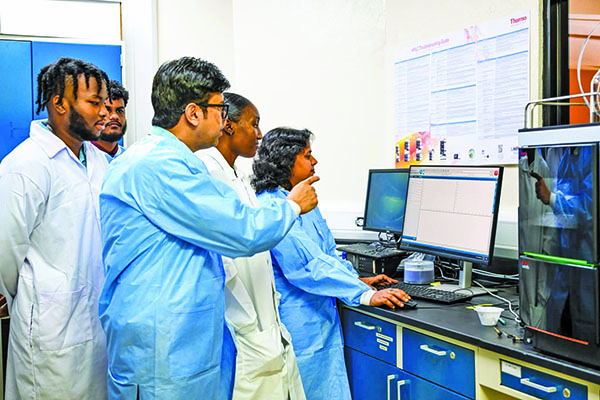
The programme builds on toxicology testing already being conducted in Guyana and is intended to expand the range of testing that can be done locally.
According to Minister Walrond, the initiative will also reduce the need to send samples overseas and shorten the time investigators have to wait for test results.
Forensic toxicology, she said, can assist investigators in determining whether drugs, alcohol, poisons or other substances are linked to a crime or death. Timely results can help investigators establish what occurred, identify relevant evidence and advance cases.
Walrond said strengthening local expertise is important to the delivery of justice, particularly in cases where families and victims are awaiting answers.
“Behind every forensic result is an investigation, and often a victim or family waiting for answers. The longer investigators wait for critical evidence, the longer a case can take to move forward,” she said.
“We are building the expertise here in Guyana so that more testing can be done locally and results can be available sooner. That means stronger investigations, better evidence before the courts and a justice system better equipped to deliver timely outcomes.”
The training is also bringing Police investigators and laboratory personnel together to strengthen the handling of evidence throughout the investigative process.
This includes the collection and preservation of evidence, as well as its analysis and application during investigations.
Discover more from Guyana Times
Subscribe to get the latest posts sent to your email.