


As Guyana continues to face a massive construction boom amid the country’s unprecedented economic and infrastructure expansion, a newly established company – Demerara Cement Company (DCC) – is proposing to construct a major cement grinding and packaging facility at Alliance Road, Plantation Land, East Bank Demerara, Region Four.
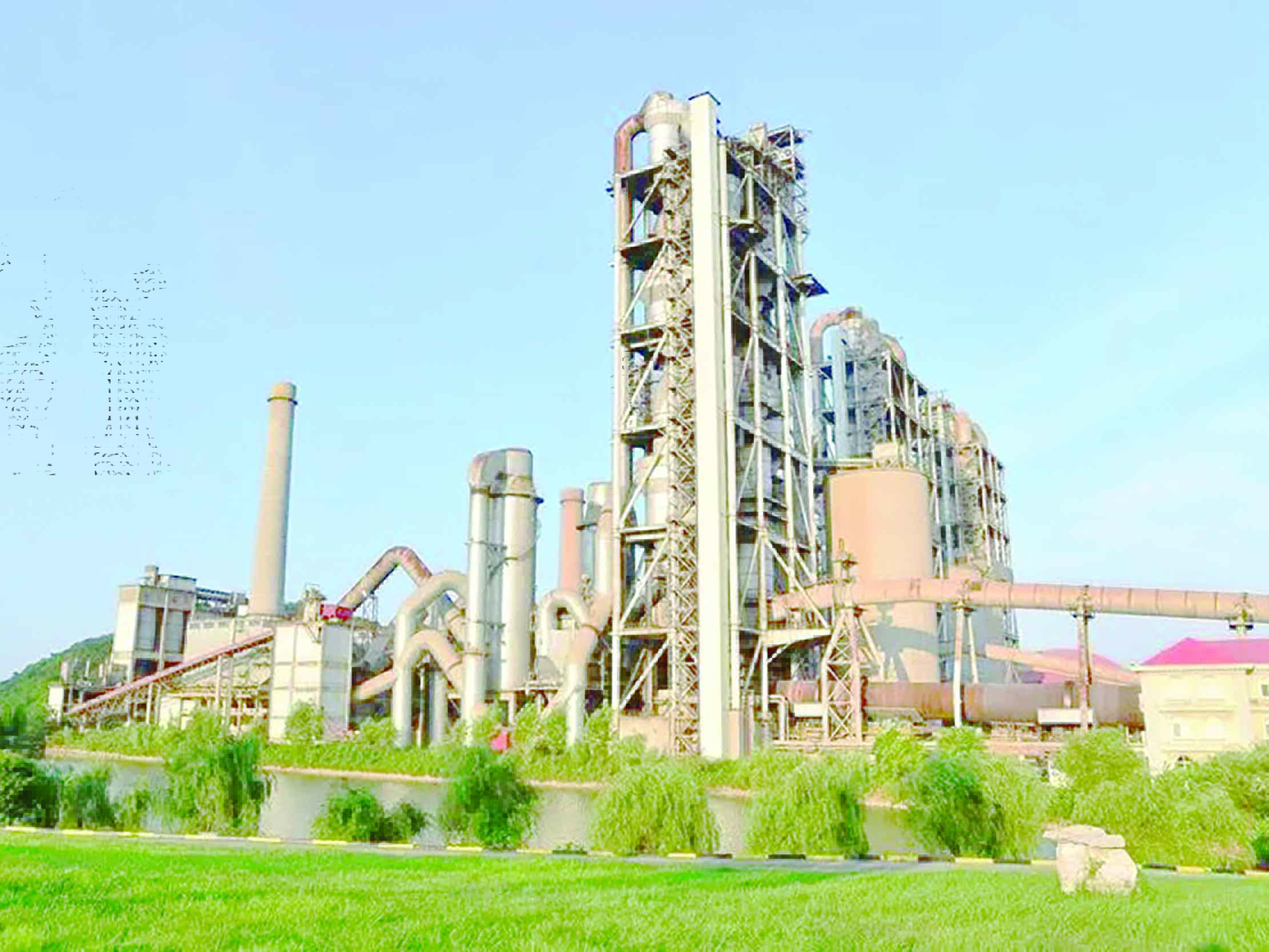
The company is projecting for the facility to produce approximately 450,000 tonnes of cement annually, with monthly production estimated at 37,500 tonnes.
According to project details released by the company, the proposed project is expected to play an important role in supporting Guyana’s rapidly growing demand for cement and other building materials as the country undergoes one of the largest infrastructure transformations in its history.
“The clinker grinding project will enhance national cement production capacity, support infrastructure development, create employment opportunities, and reduce reliance on imported finished cement products. The project will contribute to economic growth while incorporating environmentally responsible industrial practices,” the company said.
The facility will produce cement through the grinding and blending of imported clinker, gypsum, and approved additives. The raw materials are expected to be sourced from international suppliers in Oman, Turkey, Dubai, and Brazil.
According to the company, the proposed plant will be established on approximately 11.47 acres of land within a 100-acre project site and will include a modular cement factory equipped with feed hoppers, a dosing system, a ball mill, and a classifier.
Cement produced at the facility will be packaged in 40- and 50-kilogram bags, while bulk loading options for 25-tonne to 40-tonne trucks will also be available.
“The project will operate as a downstream cement processing plant and support national construction and infrastructure development by producing and supplying cement for commercial and industrial applications,” the company said.
The announcement comes at a critical time for Guyana’s economy, which continues to expand rapidly due to oil revenues, major public infrastructure investments, and a booming private construction sector.
Across the country, large-scale projects including highways, bridges, housing developments, hospitals, hotels, shore bases, ports, industrial facilities, and commercial buildings are driving unprecedented demand for cement and construction aggregates.
The establishment of a large-scale cement grinding and packaging operation is therefore expected to provide greater stability to the local supply chain while reducing dependence on imported finished cement.
A key component of the development is the construction of a dedicated wharf on an additional eight acres of land along the Demerara River. The wharf will facilitate the importation of clinker and other raw materials and serve as the primary transportation route for bulk materials and finished products.
The project is expected to create employment opportunities during both the construction and operational phases. DCC estimates that between 100 and 150 persons will be employed during the construction of the wharf facility alone, which is expected to take approximately 12 months.
The project will be implemented in two phases: construction and plant installation, followed by operations. Most structures and components will be prefabricated off-site and transported to the location for assembly and installation, with overall construction expected to be completed within six to twelve months.
The facility will have a raw material storage capacity of approximately 18,000 tonnes and is expected to require around 30,000 tonnes of materials monthly.
In outlining its environmental measures, DCC said dust emissions will be controlled using bag filters, enclosed conveyors, dust collectors, and water-spraying systems. The company also noted that a thick vegetative buffer surrounding the site will be maintained to reduce impacts on nearby sensitive receptors.
Discover more from Guyana Times
Subscribe to get the latest posts sent to your email.