


– says parents should not adopt “wait and see” approach when milestones missed
Parents are being urged to act swiftly when children show signs of developmental delays, with an autism specialist warning that delaying assessment can limit the effectiveness of early intervention.
The call was made during an episode of “Disability and You”, where autism specialist Sonam Hassan outlined the importance of recognising early warning signs and seeking professional evaluation without delay.
“So, autism is a neurological neurodevelopmental disorder that affects social communication, their interactions and behaviours,” Hassan explained, noting that the condition affects how the brain processes and shares information.
She said early childhood milestones are critical indicators of a child’s development, particularly between birth and five years.
“A baby will make eye contact. A child with autism may not make eye contact. A baby may coo or make babbling sounds… an autistic baby may be more silent,” she said, adding that while these signs do not automatically confirm autism, they serve as early red flags.
Hassan stressed that parents should not adopt a “wait and see” approach when milestones are missed.
“If by that three to four-year-old mark, we’re not hitting those milestones, we should definitely go for a diagnosis,” she stated. She further explained that diagnosis is not about labelling children but about understanding their needs and planning appropriate support.
“The diagnosis is further investigation into how we can help the child or how we can have a tracking process for them,” Hassan said.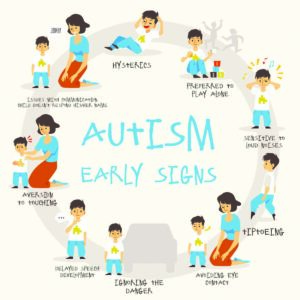
The specialist highlighted that the diagnostic process in Guyana involves structured assessments at designated centres, where multiple professionals evaluate the child over a period of time. “It’s a comprehensive process,” she noted, explaining that “a trained psychologist, a diagnostician, will come and work with your child… and they actually give you a score of where your child is and what level they are.”
According to Hassan, early intervention is critical, as children with autism benefit significantly from therapy and structured support at an early age. “Once you get that intervention, and once we get those therapies in, it makes such a big difference in their functioning in life,” she said.
She also encouraged parents to take an active role in their child’s development, especially when therapy services are involved. “Go home and practise,” she advised, noting that parents can reinforce what is learnt in therapy sessions through daily interaction.
Hassan also addressed the emotional impact of diagnosis on parents, saying many experience both grief and relief.
“From the parents I’ve spoken to, they feel relief and grief,” she said, explaining that the grief comes from letting go of expectations while the relief comes from having clarity and direction.
However, she urged parents not to blame themselves. “It wasn’t your fault,” she stated, adding that autism is largely genetic and not the result of parenting.
Hassan further called for greater inclusion of children with autism in society, saying attitudes must shift to accommodate different needs. “There has to be that paradigm shift in which we can change as well,” she said, adding that inclusion benefits all children by teaching “flexibility, adaptability and tolerance”.
The specialist emphasised that awareness, early diagnosis, and consistent intervention remain key to improving outcomes for children on the autism spectrum. “Early intervention is the key,” she reiterated.
Discover more from Guyana Times
Subscribe to get the latest posts sent to your email.