

In light of a potential sailing ban by the Maritime Authority of Suriname (MAS) on MV Canawaima over outstanding safety and technical deficiencies aboard, the Suriname-Guyana Chamber of Commerce (SGCC) remains prepared to engage constructively with the Governments of Guyana and Suriname, Canawaima Management Companies, the relevant maritime and regulatory authorities, and private-sector stakeholders on practical solutions for strengthening the service.
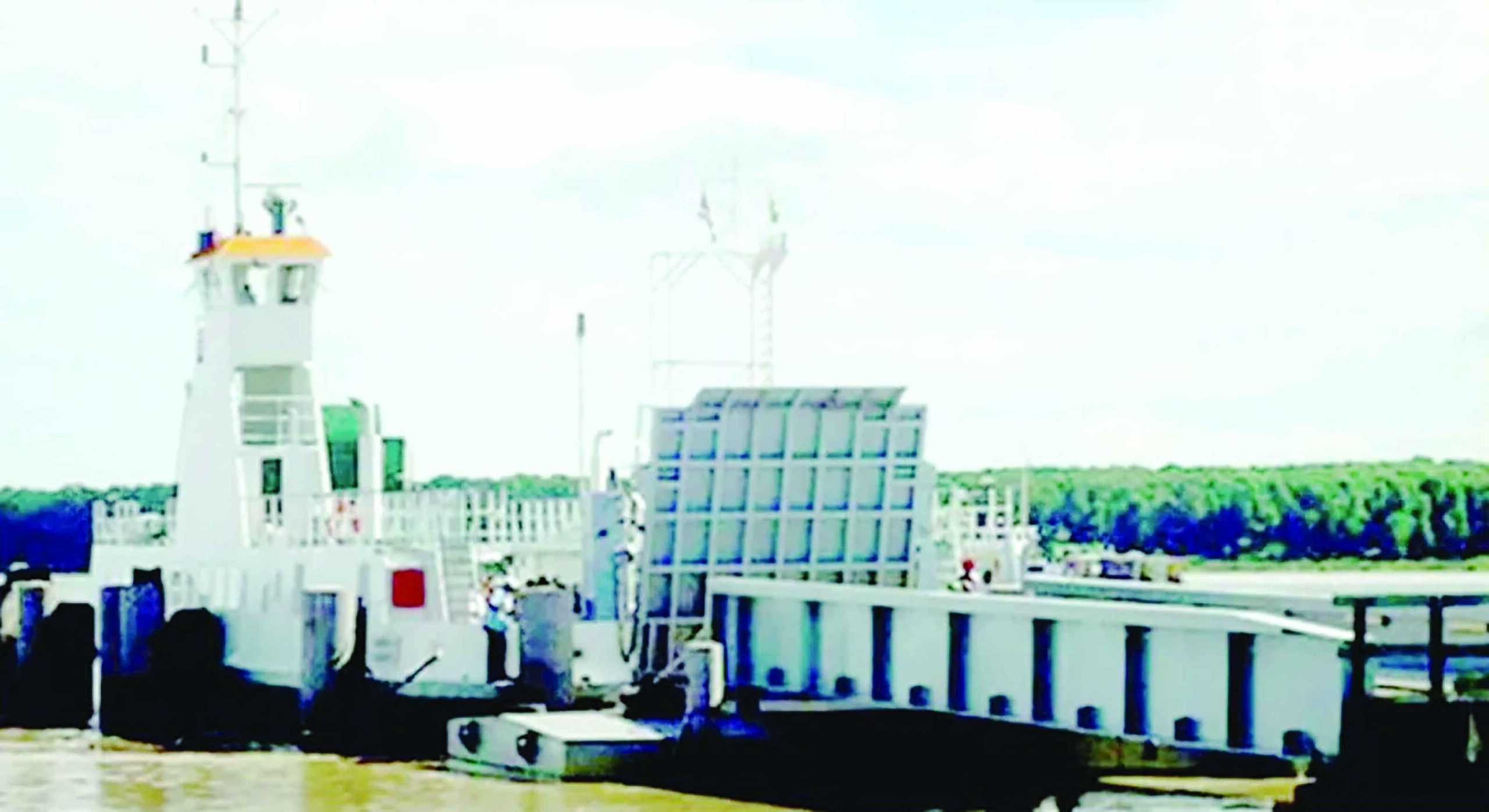
The Chamber believes that a sustainable solution will require coordination across Government, regulators, technical specialists and the Private Sector, supported by clear accountability, appropriate investment and a shared commitment to maintaining this essential economic link.
The SGCC stated that it fully recognises and supports the fundamental importance of maritime safety while adding that the safety of passengers, crew, cargo, and the wider maritime environment must remain paramount.
For businesses and citizens on either side of the Corentyne River, the SGCC related that the ferry is far more than a transportation service, but rather it remains a critical piece of bilateral infrastructure supporting the movement of people, vehicles and goods and, importantly, provides the principal direct overland connection between Guyana and Suriname.
“The SGCC’s own research has consistently underscored the importance of maritime connectivity to the bilateral trading relationship. Based on Guyana Bureau of Statistics data examined in the Chamber’s 2025 proposal, sea trade accounted for between 97.11 per cent and 99.36 per cent of total Suriname-Guyana trade by value between 2019 and 2023.”
Consequently, prolonged or recurring disruptions and inefficiencies have implications extending well beyond the ferry itself. They affect businesses managing supply chains and delivery commitments, commuters and families travelling between both countries, tourism, investment confidence and the wider objective of creating a more integrated Guyana-Suriname economic corridor.
For the SGCC, the current situation is not an isolated concern, but rather, it forms part of a longstanding challenge that the Chamber, its members and the wider travelling and business communities of both countries have repeatedly experienced.
It also strengthens the case for moving beyond temporary interventions toward a durable solution that addresses safety, vessel reliability, operational continuity, capacity and long-term management together.
Proposal
In February 2025, the Chamber stated that it developed a comprehensive proposal for public-private partnership in the management of the Canawaima Ferry Service for the consideration of the Governments of Suriname and Guyana. The proposal was developed not simply in response to individual service disruptions but from the recognition that reliable cross-border connectivity is fundamental to the economic relationship between the two countries.
The proposed model envisaged a collaborative public-private approach through which the Government would retain its appropriate regulatory and public-sector responsibilities, while private-sector investment, technical expertise and management capacity could support the modernisation and improved operation of the service.
Among the interventions identified were the rehabilitation of the existing vessel and drydocking facilities, the addition and repair of a second vessel, investment in staff and management capacity, digitised ticketing and booking systems, and broader operational modernisation.
Importantly, the proposal recognised reliability, maintenance and operational resilience as central to the future of the service. The Chamber identified dependence on a single vessel, ageing infrastructure, operational unpredictability and the need for significant repairs and modernisation among the weaknesses requiring attention.
The current developments therefore reinforce the importance of moving beyond short-term responses to individual operational challenges and toward a structured, adequately financed and sustainable framework for the ferry’s future.
Meanwhile, the SGCC related that it does not believe that maritime safety and uninterrupted connectivity should be viewed as competing priorities.
Connectivity at risk
Any vessel transporting passengers, vehicles and commercial cargo must operate safely and in compliance with applicable requirements. The recurring vulnerability of this critical bilateral transportation link demonstrates the need for the two countries to build greater operational resilience into the system so that necessary maintenance, inspections or unexpected technical difficulties do not repeatedly place cross-border connectivity at risk.
This was among the reasons the SGCC’s proposal recommended introducing an additional vessel into the operation. A two-vessel model would not only support increased capacity and more frequent crossings, but would provide greater operational flexibility when one vessel requires maintenance or repair.
The Chamber therefore respectfully encourages the relevant authorities and stakeholders in both countries to treat the present situation not only as an immediate compliance matter but also as an opportunity to advance a longer-term solution.
The SGCC remains prepared to engage constructively with the Governments of Guyana and Suriname, Canawaima Management Companies, the relevant maritime and regulatory authorities, and private-sector stakeholders on practical solutions for strengthening the service.
The Chamber believes that a sustainable solution will require coordination across Government, regulators, technical specialists and the Private Sector, supported by clear accountability, appropriate investment and a shared commitment to maintaining this essential economic link.
The planned Corentyne River Bridge represents an important long-term development in the relationship between Suriname and Guyana. Until that connectivity is realised, however, the ferry remains indispensable.
The SGCC therefore respectfully calls for urgent cooperation to ensure that the immediate safety requirements affecting the MV Canawaima are addressed, while simultaneously reopening substantive discussions on the structural modernisation and long-term management of the ferry service.
Discover more from Guyana Times
Subscribe to get the latest posts sent to your email.