


By Dr Tariq Jagnarine
Fam Med, Endocrinology
Over the past few years, weight loss medications have become one of the most-discussed topics in health care. Social media, celebrity endorsements, and remarkable before-and-after photos have fuelled public interest in medications such as Ozempic, Wegovy, and Mounjaro.
Many people are now asking whether these medications represent a breakthrough in obesity treatment or simply another health trend. The reality lies somewhere in between.
These medications are not miracle cures, but they are among the most effective medical treatments for obesity ever developed. When used appropriately and combined with lifestyle changes, they have the potential to improve health outcomes and reduce the risk of chronic diseases.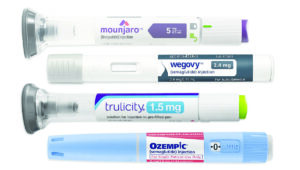
Why obesity matters
Obesity is now recognized as a chronic disease rather than simply a result of poor lifestyle choices. It is associated with numerous health conditions, including:
• Type 2 diabetes
• Hypertension
• Heart disease
• Stroke
• Sleep apnoea
• Osteoarthritis
• Fatty liver disease
• Certain cancers
Globally, obesity rates have more than doubled since 1990, and the Caribbean region has experienced some of the fastest increases in overweight and obesity prevalence (WHO, 2024). In Guyana, rising rates of obesity and diabetes are contributing significantly to the burden of non-communicable diseases.
How do these medications work?
Most modern weight loss medications belong to a class known as GLP-1 receptor agonists.
These medications mimic hormones naturally produced by the gut after eating. Their effects include:
• Reducing appetite
• Increasing feelings of fullness
• Slowing stomach emptying
• Improving blood sugar control
• Reducing food cravings
The result is reduced calorie intake and gradual weight loss.
Examples include:
• Semaglutide (Ozempic®, Wegovy®)
• Tirzepatide (Mounjaro®, Zepbound®)
• Liraglutide (Saxenda®)
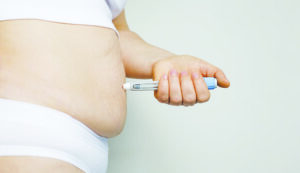 How effective are they?
Clinical trials have demonstrated impressive results.
The STEP-1 trial found that participants receiving semaglutide lost approximately 15 per cent of their body weight compared with placebo (Wilding et al, 2021).
More recently, the SURMOUNT-1 trial showed that tirzepatide achieved average weight reductions of up to 22.5 per cent, making it one of the most effective obesity treatments currently available (Jastreboff et al, 2022).
For perspective, many traditional lifestyle interventions alone typically achieve weight loss of five per cent to 10 per cent.
Who should use weight loss medications?
These medications are generally recommended for:
• Individuals with a Body Mass Index (BMI) of 30 kg/m² or higher
• Individuals with a BMI of 27 kg/m² or higher who also have obesity-related conditions such as diabetes, hypertension, or sleep apnoea
They are not intended for cosmetic weight loss or for individuals seeking to lose a few kilograms before a social event.
A thorough medical assessment should always occur before initiating treatment.
Common Side effects
Although generally safe, side effects may occur.
The most common include:
• Nausea
• Vomiting
• Diarrhoea
• Constipation
• Abdominal discomfort
Most side effects improve over time as the body adapts.
Rare but serious complications may include:
• Pancreatitis
• Gallbladder disease
• Severe gastrointestinal symptoms
Patients should discuss risks and benefits with their healthcare provider.
The biggest misconception
One of the most common misconceptions is that these medications eliminate the need for healthy eating and exercise.
They do not.
Research shows that individuals who stop treatment often regain a significant portion of lost weight if lifestyle modifications are not maintained (Rubino et al, 2021).
This highlights an important reality:
Weight loss medications are tools, not cures.
Long-term success still depends on sustainable behavioural change.
What about muscle loss?
An emerging concern is that rapid weight loss may result in the loss of both fat and muscle mass.
Experts increasingly recommend:
• Resistance training
• Adequate protein intake
• Regular physical activity
to preserve muscle and metabolic health during weight loss treatment.
Challenges for Guyana and the Caribbean
While these medications offer significant promise, several barriers exist.
Cost
Many newer weight loss medications remain expensive and inaccessible for large segments of the population.
Sustainability
Long-term treatment may be required to maintain benefits.
Equity
Access may disproportionately favour wealthier individuals, potentially widening health disparities.
Prevention still matters
No medication can replace healthy public policies that promote:
• Physical activity
• Healthy food environments
• Obesity prevention
• Early diabetes detection
• Cardiovascular risk reduction
A public health perspective
As a clinician and public health professional, I view these medications as an important addition to the fight against obesity. However, they should not distract us from addressing the root causes of the obesity epidemic.
Communities continue to face challenges related to:
• Ultra-processed foods
• Sugary beverages
• Sedentary lifestyles
• Urban design that discourages physical activity
• Limited access to preventive health care
Addressing these factors remains essential for long-term population health.
Weight loss injections such as Ozempic, Wegovy, and Mounjaro represent a major advancement in obesity treatment. For the right patient, they can lead to meaningful improvements in weight, blood sugar control, cardiovascular health, and overall quality of life. However, they are not miracle cures. The most successful outcomes occur when medication is combined with healthy eating, physical activity, adequate sleep, stress management, and ongoing medical support.
The goal should not simply be weight loss.
The goal should be better health, longer lives, and healthier communities.
Discover more from Guyana Times
Subscribe to get the latest posts sent to your email.