

The advancement of women’s economic empowerment requires more than recognition of their contributions; it requires deliberate investment in opportunities that provide access to knowledge, skills, resources and pathways to independence. Across Guyana, initiatives focused on practical training and entrepreneurship are demonstrating the value of equipping citizens, particularly women, with the tools needed to participate meaningfully in economic development.
The Human Services and Social Security Ministry’s Women’s Innovation and Investment Network (WIIN) Programme is an important approach to this objective by bringing training opportunities directly into communities and creating avenues for individuals to build sustainable livelihoods. The recent completion of the climate-smart agriculture training in Region Ten highlights the impact of targeted skills development in expanding economic possibilities for women.
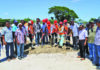
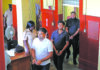
The participation of 26 women alongside three men in the programme reflects the growing interest among citizens in exploring agriculture not only as a means of food production but also as a viable business opportunity. Modern agriculture has evolved beyond traditional farming methods, with technology, innovation and sustainable practices creating new possibilities for entrepreneurship and income generation.
The training provided participants with exposure to climate-smart agricultural techniques designed to improve productivity while responding to environmental challenges. Through practical and theoretical sessions, participants gained knowledge in areas such as hydroponics, vertical gardening, shade house management, vermicomposting, irrigation systems and natural methods of pest control. These skills provide a foundation for developing agricultural ventures that are adaptable, efficient and sustainable.
For women, access to such opportunities carries wider significance as economic empowerment is a key driver of social progress, strengthening families, communities and national development. When women acquire marketable skills and opportunities to generate income, they are better positioned to contribute to household stability, make independent economic decisions and pursue entrepreneurial ambitions.
Agriculture presents a particularly important area for women’s participation, as historically, women have played significant roles in food production and community-based economic activities, yet access to technical training, financing and modern agricultural knowledge has often determined the scale at which they can participate. Programmes that bridge these gaps allow women to move from informal involvement toward structured, income-generating enterprises.
The WIIN Programme demonstrates the importance of connecting training with practical application. The inclusion of field visits to agricultural facilities, including the Kairuni Farm along the Soesdyke/Linden Highway, the Vermicomposting Farm in Amelia’s Ward and the Hydroponics Farm at Watooka, allowed participants to observe innovative approaches in operation. This practical exposure is critical because it transforms theoretical knowledge into skills that can be applied within communities.
Apart from cultivation techniques, the focus on farm record-keeping and business management addresses another essential component of successful entrepreneurship. Sustainable ventures require not only production skills but also planning, financial awareness and the ability to manage operations effectively. Providing these tools increases the likelihood that participants can transform training into viable businesses.
The emphasis on climate-smart agriculture is also aligned with Guyana’s broader development priorities. As the country continues to focus on food security, diversification and sustainable economic growth, building capacity among citizens to participate in agriculture is increasingly important. Local producers equipped with modern techniques can contribute to reducing dependence on external supplies while creating employment opportunities within communities.
The success of programmes such as WIIN also reinforces the value of community-based development. Bringing training directly to regions ensures that opportunities are accessible to people beyond urban centres and allows residents to develop solutions suited to their local environments. This approach strengthens inclusion by ensuring that economic advancement is not limited by geography.
The empowerment of women must remain central to national development efforts. Investment in women’s skills, innovation and entrepreneurship produces benefits that extend beyond individual participants. It supports stronger communities, encourages greater economic participation and contributes to a more resilient society.
The Climate Smart Agriculture Training in Region Ten is an example of how targeted interventions can create meaningful opportunities. By combining education, practical experience and entrepreneurial support, initiatives such as WIIN are helping to cultivate a generation of skilled citizens prepared to contribute to Guyana’s future.
Discover more from Guyana Times
Subscribe to get the latest posts sent to your email.