Dr. Tariq Jagnarine
Fam Medicine/ Endocrinology/ Diabetes
An injury to the gastrointestinal (GI) tract, inflammation, and ulcers can all cause the lining of the digestive tract to bleed. In some cases, perforation may occur, resulting in bleeding, abdominal pain, and severe illness. If bleeding occurs in the GI tract, the blood passes out of the body with the stool. Specific health issues that can lead to bleeding include the following:
• Gastroenteritis
Gastroenteritis refers to viral, fungal, or parasitic infections that affect the stomach and intestines. Symptoms can last up to 14 days, depending on the cause, and can include:
• Abdominal pain
• Nausea and vomiting
• Watery or bloody diarrhea
• Headache
• Fever
• Muscle aches
• Infection usually results from:
o Consuming food and water from contaminated sources
o Improper hand hygiene
o Contact with people who have an infection
o Consuming spoiled food, resulting in food poisoning
Some people may call viral gastroenteritis stomach flu. However, doctors no longer use this term as this is a gastrointestinal disease, while flu is a respiratory disease.
• Anal fissure
Anal fissures are small tears in the lining of the anus. They may bleed and cause pain during a bowel movement. Possible causes include:
• Inflammatory bowel disease (IBD)
• Trauma
• Tumors
• Infections
• Constipation
• Chronic diarrhea
• Hemorrhoids
Hemorrhoids are veins in the lower rectum and anus. Everyone has these veins, but straining or passing hard stool can cause swelling and rupturing, which can lead to symptoms such as blood in stool.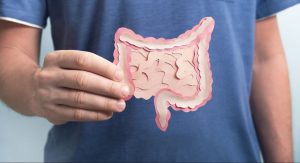
People with hemorrhoid trauma may notice a few drops of blood on the stool, on tissue, or in the toilet bowl. Factors that increase the size of hemorrhoids and, therefore, the risk of hemorrhoids bleeding include:
• Constipation
• Diarrhea
• Straining on the toilet
• Pregnancy
People may also cause bleeding by wiping too aggressively and causing trauma to large hemorrhoids. However, some people with large hemorrhoids may not have symptoms.
• Peptic ulcers
Peptic ulcers are open sores that develop in the stomach lining or duodenum. A peptic ulcer on a blood vessel may cause bleeding and bloody stools. Other symptoms include:
• Bloating and belching
• Nausea
• Vomiting
• Reduced appetite and weight loss
These ulcers can result from infection with Helicobacter pylori bacteria or long-term use of nonsteroidal anti-inflammatory drugs (NSAIDs).
• Diverticula
Diverticula are small pockets that can form inside the colon. They can bleed due to the rupture of a vessel on the edge of the diverticulum. Healthcare professionals call this a diverticular bleed. Risk factors for diverticular bleeding include:
• NSAIDs
• Older age
• Blood thinners
• Cardiovascular disease
• Diabetes
Inflammatory bowel disease
Inflammatory bowel diseases, such as Crohn’s disease and ulcerative colitis, can cause bloody stool and other symptoms, such as: abdominal pain, diarrhea, weight loss, fatigue. Experts do not know what causes IBD, but genetic factors and environmental triggers to the immune system may play a role.

• Anal fistula
An anal fistula is a small tunnel that forms between the end of the bowel and the skin near the anus. Fistulas can also start in the colon and lead to another organ or the skin’s surface. Colonic fistulas are less common than anal fistulas. Fistulas can occur as a complication of: surgery, diverticulitis, Crohn’s disease, cancer, an infection. After an infection, pus can collect in tissues surrounding the anus. As the pus drains, it leaves behind the fistula, which may continue to ooze pus or blood.
• Cancer
Cancerous tumors of the GI tract can weaken the lining of the GI tissues, causing bleeding. However, cancer may be present without any visible signs of bleeding. People with a higher risk of cancer in the digestive system can ask a doctor about colonoscopies for surveillance, depending on their risk factors. Doctors may recommend screening tests such as a fecal occult blood test for people without an increased risk.
Discover more from Guyana Times
Subscribe to get the latest posts sent to your email.