


The Blackpool Sports Club of North America (BSCNA) continued its investment in Guyana’s grassroots football by hosting approximately 70 boys and girls at its second annual Youth Football and Life Skills Camp.
Held at the Georgetown Football Club Ground during the July-August school break, the camp attracted children between the ages of seven and 12 from Georgetown and as far as Linden.
Retired Guyanese footballers, including nationally licensed coaches with experience in competitive youth football in the United States, returned home at their own expense to share their knowledge with the participants and local coaches.
The initiative continues a tradition that began more than 50 years ago when Guyanese footballers in New York formed BSCNA through their shared love of the sport and commitment to helping one another.
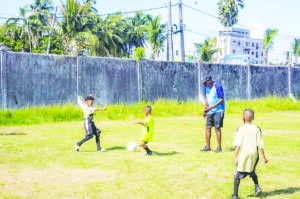
While football was central to the programme, the camp also used the game to teach discipline, teamwork, preparation, resilience, decision-making, respect, confidence, and perseverance.
Each participant received a jersey, shorts, socks, a BSCNA-branded backpack and a reusable water bottle. The visiting coaches also brought training equipment from the United States to support structured, age-appropriate sessions covering the technical and tactical fundamentals of football.
BSCNA also ensured that the children were properly nourished throughout the camp. Each day, participants received breakfast, a morning snack, lunch and an afternoon snack.
Nutrition and hydration formed part of the camp’s educational message, with children learning how training, diet, rest and preparation can affect an athlete’s performance.
The uniforms also helped create a sense of equality and belonging. Regardless of school, community, gender, economic circumstances or previous experience, every child entered the programme as an equal participant.
Staging the camp required months of preparation, volunteer work and personal expenditure. BSCNA members and supporters sourced and transported the uniforms, backpacks, bottles, equipment and other supplies from the United States.
Another important feature was the mentoring of local coaches, who worked alongside their diaspora counterparts and were introduced to structured training methods developed by coach and author Kevin LeDoux.
His approach emphasises age-appropriate development, purposeful training, decision-making and a clear understanding of football’s technical and tactical principles.
BSCNA believes this aspect of the programme can create a lasting impact. While training 70 children directly benefits those players, developing local coaches could help hundreds more over successive seasons.
The camp deliberately included both boys and girls, with BSCNA maintaining that Guyana’s football cannot reach its full potential unless girls receive meaningful opportunities to learn and enjoy the sport from an early age.
For some participants, football could eventually provide pathways to national-team selection, scholarships or professional careers. For others, the benefits may include improved fitness, discipline, confidence, resilience, and friendships.
Following the success of the second camp, BSCNA plans to expand the programme’s duration, geographic reach, coach-education component and number of participants. The organisation also hopes to bring the initiative to more communities across Guyana.
Discover more from Guyana Times
Subscribe to get the latest posts sent to your email.