


As Guyana prepares for dry, intense weather conditions brought on by the El Niño period, the Guyana Fire Service (GFS) has sounded a call for all citizens across our 10 administrative regions to practise extreme caution.
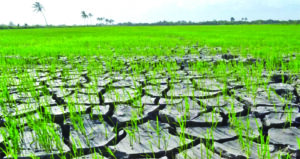
El Niño is a large-scale climate pattern that is typically associated with drier-than-normal conditions and increased heat across Guyana, particularly during the second half of the year.
In light of this, the GFS stated that with soaring temperatures and dried-out vegetation, a small spark can rapidly transform into an unmanageable grass or structural fire.
 As such, the GFS is urging citizens to refrain from burning garbage, dried leaves, or yard waste since, under El Niño conditions, sudden wind gusts can carry embers into dry grass or nearby buildings instantly.
In addition, farmers are urged to avoid using agricultural burning to clear land and, as such, seek safer alternatives, such as composting or manual clearing, to minimise wildfire risks.
Further, the GFS called on Guyanese to remove dried grass, heaps of wood, and dead bushes from around their yards, adding that creating a clean buffer zone around your home helps halt the progress of a grass fire.
“High temperatures put a strain on our electrical grid. Prevent electrical fires by unplugging appliances that are not in use and avoid overloading power strips,” the GFS added.
However, with school out or children spending more time at home, parents and guardians are warned about leaving matches and lighters in areas that can be easily accessible.
With respect to businesses and farms, they are urged to establish effective firebreaks (clear strips of land with no vegetation) to protect properties from approaching bushfires while adding that heavy machinery and vehicles must be well-maintained to prevent exhaust sparks from igniting parched grass.
Back in May, the Hydrometeorological Service of the Ministry of Agriculture reported that Guyana could face hotter temperatures, prolonged dry spells, water shortages and an increased risk of wildfires later this year as El Niño conditions are expected to develop within the next two to four months.
Its effects are expected to become more noticeable from July and continue through the remainder of 2026, with the most intense heat likely between mid-August and October.
Nevertheless, the Hydrometeorological Service noted that drier conditions are expected to intensify between August and December, particularly during the main dry season from August to mid-November.
Meanwhile, the Hydrometeorological Service stated that the seasonal outlook is updated monthly and encouraged the public to monitor daily weather forecasts and advisories issued by the National Weather Watch Centre as conditions continue to evolve.
Discover more from Guyana Times
Subscribe to get the latest posts sent to your email.