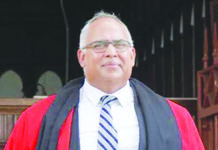
President Dr Irfaan Ali and Prime Minister (PM) Brigadier (Ret’d) Mark Phillips have both called for national unity, shared responsibility and continued recognition of Guyana’s diverse heritage in their Arrival Day 2026 messages, as the country prepares to mark 60 years of Independence. In his message, President Ali said that Arrival Day this year is being observed as the nation approaches its Diamond Jubilee, adding that the journey to Independence was not sudden, but built over generations through the contributions, sacrifices and aspirations of those who came before. He emphasised that the foundations of Guyana were laid by Indigenous peoples, described as the first guardians of the land, as well as African foreparents who endured enslavement and contributed to the country’s development after emancipation. He also acknowledged all those who came later and contributed to shaping the nation. The President placed particular focus on post-Emancipation arrivals, including Indian, Chinese, Portuguese and other indentured labourers. He noted that many arrived under difficult conditions but “came with hope and calloused hands,” enduring hardship, separation, and injustice while building lives in Guyana.
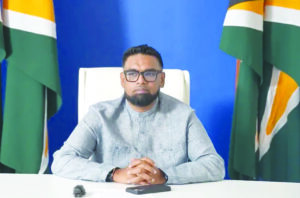
He highlighted that May 5 marks 188 years since the arrival of the first East Indian indentured immigrants, adding that their descendants played a key role in national development. According to the President, they brought traditions, languages, religions, food, and cultural values, while also establishing homes, farms, places of worship, and livelihoods across the country. “The majority of Indian indentured immigrants stayed and made Guyana their home,” he said, noting their contribution to plantation work, agriculture, and community building, as well as their participation in the struggle for Independence. President Ali said Guyana’s central challenge remains the creation of unity from diversity. He questioned how the nation can “weave a single national fabric from diverse threads,” each shaped by different histories of resistance, resilience, and hope. He said Arrival Day should move beyond remembrance and serve as a call to action.
He reaffirmed the vision of “One Guyana,” describing it as a society where every heritage is recognised and every citizen feels included. He also stressed that national development must be shared, stating that Guyana’s natural resources and human capital must benefit all citizens. “The bounty of our land—our oil, our gold, our bauxite, our sugar, our rice, our forests, our fisheries and above all our human capital—must be for the benefit of all,” he said. He further called for a future where no child is excluded and where all are able to aspire and thrive, urging Guyanese to honour their foreparents not only through remembrance but through continued pursuit of justice, equality, and dignity.
Defining moment
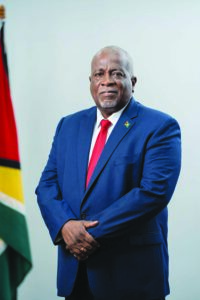
PM Mark Phillips in his message, also reflected on Arrival Day as a defining moment in Guyana’s history, shaped by the movement of peoples from across the world. He said the country’s identity was formed through the experiences and contributions of Indigenous peoples, Africans, Indians, Chinese, Portuguese and Europeans. He acknowledged Indigenous peoples as the first inhabitants whose knowledge and stewardship continue to guide the nation. He also noted the experience of Africans who were brought through enslavement and later transformed adversity into enterprise by building villages, institutions and cultural foundations. The PM highlighted the contribution of Indian indentured labourers, who endured hardship under the indentureship system but established deep roots in agriculture, language, faith, and family life. He also recognised the Chinese for their entrepreneurial contributions, the Portuguese for strengthening commerce and community life, and Europeans whose systems have since been reshaped by Guyanese society.
He stressed that while each group arrived under different circumstances—some by force, others in search of opportunity—over time they all became part of a shared national identity. He said Guyana today represents a “cultural convergence” where diverse traditions have become part of everyday national life. Phillips pointed to national celebrations and observances such as Phagwah, Emancipation, Mashramani, and Indigenous Heritage Month as examples of this shared identity, describing them as part of Guyana’s collective cultural fabric. “Guyana is a country where cultures intertwine,” he said, adding that the nation stands as an example of unity shaped through history and experience. He said this diversity requires more than celebration, calling for continued commitment to inclusion and equal opportunity. He urged that Guyana’s development must reflect the contributions of all its people and ensure that no group is left behind.
Phillips also addressed young people, encouraging them to understand the importance of history and culture in shaping the future. He said the next generation must carry forward the country’s story through their values, choices, and vision.
He called for continued collective effort in building the nation, saying Guyana must move forward “deliberately, respectfully, and together” under the principle of “One Guyana.”
Discover more from Guyana Times
Subscribe to get the latest posts sent to your email.